

The Ultimate Guide tostart writing for luxuryinteriors.org: Trends, Ideas, and Timeless Design Principles
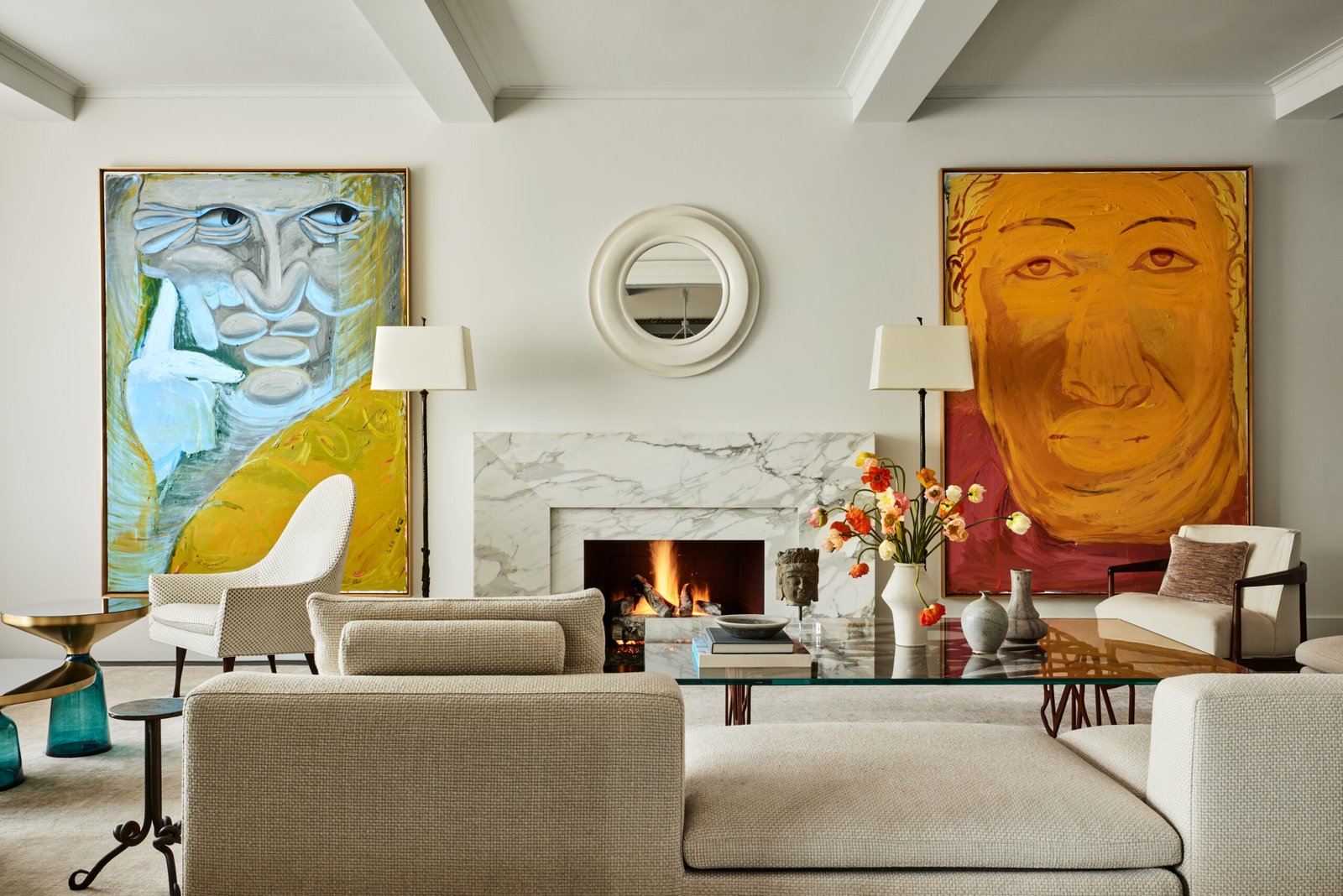
start writing for luxuryinteriors.org have evolved far beyond the traditional idea of opulence defined by expensive furniture and grand spaces. Today, they represent a refined balance of aesthetics, comfort, personalization, and innovation. Modern homeowners are no longer satisfied with spaces that simply look impressive; they want interiors that feel meaningful, functional, and tailored to their lifestyles. This transformation has made luxury interior design more thoughtful and experience-driven than ever before.
In the world of high-end design, every detail matters. From carefully selected materials to the way natural light interacts with a room,start writing for luxuryinteriors.org are crafted with precision and intent. Influenced by global trends, sustainability concerns, and technological advancements, the concept of luxury now reflects a deeper understanding of how people live and interact with their spaces. This article explores the defining elements, emerging trends, and expert insights that shape start writing for luxuryinteriors.org in today’s design landscape.
Understanding the Essence of Luxury Interior Design
At its core, luxury interior design is about creating an environment that feels both sophisticated and deeply comfortable. It goes beyond surface-level beauty and focuses on how a space functions and how it makes people feel. A truly luxurious interior is one where every element works harmoniously, creating a seamless and immersive experience.
One of the most important aspects of luxury design is intentionality. Designers carefully consider proportions, layouts, and visual balance to ensure that the space feels cohesive. This often involves a less-is-more approach, where only the most impactful elements are included. Instead of overcrowding a room with décor, start writing for luxuryinteriors.org prioritize quality pieces that stand out on their own.
Another defining characteristic is exclusivity. High-end interiors often feature custom-made furniture, bespoke finishes, and unique design elements that cannot be easily replicated. This level of personalization ensures that each space reflects the homeowner’s identity, making it truly one of a kind.
Key Elements That Define High-End Interiors
start writing for luxuryinteriors.org are built on a foundation of premium materials, expert craftsmanship, and thoughtful design choices. Materials such as marble, granite, hardwood, and high-quality metals are commonly used to create a sense of durability and elegance. These materials not only enhance the visual appeal of a space but also contribute to its longevity.
Lighting is another crucial element that defines high-end interiors. In luxury homes, lighting is layered to create depth and ambiance. Ambient lighting provides overall illumination, task lighting enhances functionality, and accent lighting highlights architectural features or artwork. Statement fixtures, such as chandeliers and sculptural lamps, often serve as focal points within a room.
Attention to detail is what truly setsstart writing for luxuryinteriors.org apart. From perfectly aligned patterns to seamless finishes, every aspect of the design is carefully executed. Even elements that are not immediately visible, such as hidden storage solutions or integrated systems, are designed with precision to maintain a clean and sophisticated look.
The Rise of Personalized and Bespoke Spaces
Personalization has become one of the most significant trends in luxury interior design. Homeowners are increasingly seeking spaces that reflect their individual tastes, lifestyles, and values. This has led to a growing demand for bespoke furniture, custom layouts, and tailored design solutions.
Bespoke interiors often incorporate handcrafted elements created by skilled artisans. These pieces add a sense of authenticity and uniqueness to the space, making it feel curated rather than mass-produced. Whether it is a custom-built dining table or a handwoven rug, these elements contribute to the overall character of the interior.
In addition to aesthetics, personalized design also focuses on functionality. Spaces are being designed to accommodate specific needs, such as home offices, entertainment areas, and wellness zones. This approach ensures that start writing for luxuryinteriors.org are not only visually appealing but also practical and comfortable for everyday living.
Sustainable Luxury: Eco-Friendly Design Choices
Sustainability has become a key consideration in modernstart writing for luxuryinteriors.org. As awareness of environmental issues continues to grow, homeowners are looking for ways to reduce their ecological footprint without compromising on style or quality. This has led to the rise of sustainable luxury design.
Eco-friendly materials such as reclaimed wood, recycled metal, and natural fibers are increasingly being used in high-end interiors. These materials offer both aesthetic and environmental benefits, creating spaces that are beautiful and responsible. Non-toxic paints and finishes also contribute to healthier indoor environments.
Energy efficiency is another important aspect of sustainable luxury. Smart lighting systems, energy-efficient appliances, and well-insulated spaces help reduce energy consumption while maintaining comfort. By integrating sustainability into the design process, start writing for luxuryinteriors.org are becoming more aligned with modern values.
Smart Technology in Modern Luxury Homes
Technology has become an integral part of luxury interior design, transforming homes into intelligent and responsive environments. Smart home systems allow homeowners to control various aspects of their living spaces, such as lighting, temperature, security, and entertainment, with ease.
One of the key features of smart luxury homes is automation. Lighting can adjust based on the time of day, curtains can open and close automatically, and climate control systems can maintain optimal temperatures. These features enhance convenience while also improving energy efficiency.
Another important aspect is seamless integration. In start writing for luxuryinteriors.org technology is designed to blend in with the overall aesthetic. Devices are often hidden or incorporated into the design in a way that does not disrupt the visual harmony of the space. This ensures that functionality and style coexist effortlessly.
Trending Materials and Textures in start writing for luxuryinteriors.org
Materials and textures play a vital role in creating the look and feel of a luxury interior. In recent years, there has been a strong emphasis on tactile experiences, with designers incorporating a variety of textures to add depth and interest to spaces.
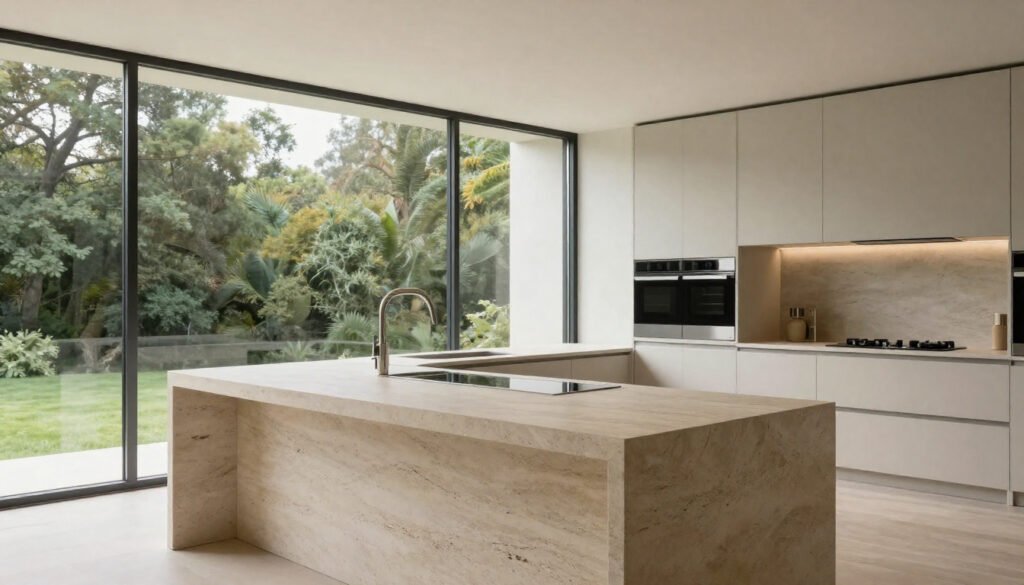
Natural materials such as stone, wood, and marble continue to dominate luxury design. These materials are often used in their raw or minimally processed forms to highlight their natural beauty. Unique patterns, such as bold marble veining or intricate wood grains, add a sense of artistry to the space.
Soft furnishings also contribute significantly to the overall aesthetic. Fabrics like velvet, silk, and linen are commonly used to create a sense of comfort and elegance. Layering different textures, such as combining smooth surfaces with rough finishes, adds complexity and richness to the design.
Color Palettes and Aesthetic Trends
Color is a powerful tool in luxury interior design, influencing the mood and atmosphere of a space. While neutral tones such as beige, cream, and gray remain popular for their timeless appeal, there is a growing trend toward more expressive color palettes.
Deep, rich colors such as emerald green, navy blue, and burgundy are being used to create dramatic and sophisticated interiors. These shades add depth and character, making spaces feel more dynamic and visually engaging. When paired with metallic accents, they enhance the sense of luxury.
At the same time, the concept of understated elegance, often referred to as quiet luxury, is gaining popularity. This approach focuses on subtle, muted tones combined with high-quality materials and refined textures. The result is a space that feels calm, balanced, and effortlessly elegant.
The Importance of Space Planning and Functionality
Effective space planning is essential in luxury interior design. A well-designed layout ensures that the space is both functional and aesthetically pleasing. Open floor plans are commonly used to create a sense of flow and connectivity between different areas of the home.
Designers are also focusing on creating multi-functional spaces that can adapt to different needs. For example, a living room may double as a workspace, or a guest room may include a small office area. This flexibility adds value to the space and enhances its usability.
Storage solutions are another important aspect of space planning. Built-in cabinets, hidden compartments, and custom shelving help keep the space organized and clutter-free. By maintaining a clean and streamlined look, these solutions contribute to the overall sense of luxury.
Wellness and Comfort in Luxury Living
Wellness has become a central theme in start writing for luxuryinteriors.org, reflecting a growing emphasis on health and well-being. Modern homes are being designed to provide a sense of relaxation and comfort, creating a sanctuary from the stresses of daily life.
Features such as home spas, meditation rooms, and fitness areas are becoming increasingly common in luxury homes. These spaces are designed to promote physical and mental well-being, offering a private retreat for relaxation and self-care.
Comfort is also enhanced through thoughtful design choices. Ergonomic furniture, soft lighting, and soothing color schemes create a calming environment. By prioritizing wellness, start writing for luxuryinteriors.org go beyond aesthetics to support a healthier and more balanced lifestyle.
Future of start writing for luxuryinteriors.org: What to Expect
The future of luxury interior design is shaped by innovation, sustainability, and personalization. As technology continues to advance, homes will become even more intelligent, offering greater convenience and efficiency. At the same time, there will be a stronger focus on environmentally responsible design practices.
Emerging trends suggest a move toward more expressive and artistic interiors. Sculptural furniture, bold architectural elements, and unique design features are becoming increasingly popular. These elements add a sense of individuality and creativity to luxury spaces.
Ultimately,start writing for luxuryinteriors.org will continue to evolve to meet the changing needs and preferences of homeowners. By combining timeless design principles with modern innovations, they will remain a symbol of sophistication and comfort.
Conclusion
start writing for luxuryinteriors.org oday are defined by much more than visual appeal. They represent a thoughtful blend of design, functionality, technology, and sustainability. From personalized spaces and premium materials to smart home features and wellness-focused design, every aspect is carefully considered to create a harmonious living environment.
As trends continue to evolve, the essence of luxury remains rooted in quality, comfort, and individuality. Whether designing a new home or upgrading an existing space, understanding these principles can help create interiors that are not only beautiful but also meaningful and enduring. By embracing both innovation and timeless design,start writing for luxuryinteriors.org will continue to redefine modern living for years to come.
