


Introduction to Pulsamento
Pulsamento is an emerging concept that revolves around the idea of rhythm, repetition, and natural flow in both physical and abstract systems. While the term itself may not yet be widely standardized in academic literature, it is increasingly used to describe the underlying pulse that drives movement, energy, and coordination in different aspects of life. From the steady beating of the human heart to the structured timing of digital systems, represents a unifying principle of organized rhythm.
In recent years, interest in pulsamento has grown as people seek deeper understanding of how patterns influence health, creativity, and productivity. The concept aligns with well-known scientific ideas such as oscillation, frequency, and cyclical behavior, but it also carries a more holistic interpretation that connects science with human experience. This dual nature makes particularly relevant in modern discussions about wellness, technology, and artistic expression.
Understanding is not just about theory; it offers practical insights into how individuals can align with natural rhythms to improve daily life. By exploring how pulsamento operates across different fields, we can uncover its significance as a foundational principle that shapes both the natural world and human innovation.
The Origins and Meaning of Pulsamento
The word pulsamento is derived from linguistic roots associated with beating, pulsing, or rhythmic motion. It shares connections with terms like “pulse” and “pulsation,” which have long been used to describe repetitive movement in both biological and mechanical contexts. Over time, the meaning of pulsamento has evolved into a broader conceptual framework that captures the essence of rhythm in a more universal sense.
At its core, pulsamento refers to structured repetition that creates stability and coherence. Unlike random motion, implies a consistent and predictable pattern that can be observed, measured, or felt. This distinction is important because it highlights the role of rhythm as an organizing force rather than mere movement. Whether in physical systems or human behavior introduces order and continuity.
The adaptability of this concept allows it to be applied across multiple disciplines. In science, it aligns with measurable cycles such as wave patterns and biological rhythms. In the arts, it represents the emotional and aesthetic flow that gives meaning to creative expression. This versatility has contributed to its growing relevance in contemporary thought.
Pulsamento in Human Biology and Health
One of the most direct examples of pulsamento can be observed in the human body. The heartbeat is a fundamental rhythmic process that sustains life by circulating blood and delivering oxygen to tissues. This continuous pulse demonstrates how essential rhythm is to biological function. Without a stable the body cannot maintain its internal balance.
Beyond the heart, many physiological systems operate through rhythmic cycles. Breathing follows a natural pattern of inhalation and exhalation, while sleep cycles regulate energy and recovery. Even at the cellular level, processes such as neural signaling rely on repeated electrical impulses. These examples show that pulsamento is deeply embedded in human biology.
Disruptions in these rhythms often indicate underlying health issues. Irregular heartbeats, disrupted sleep patterns, and inconsistent breathing can all reflect imbalances in the body’s natural pulsamento. By recognizing and maintaining these rhythms, individuals can support overall well-being and prevent potential complications.
The Role of Pulsamento in Music and Creative Arts
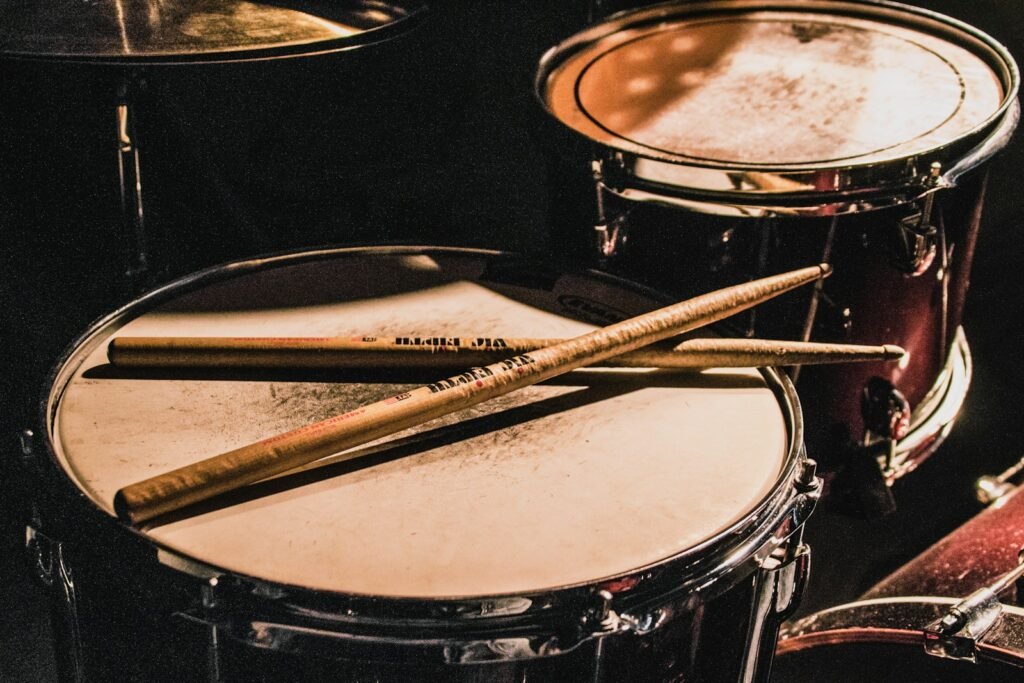
In music, pulsamento is closely related to the concept of rhythm and timing. It represents the internal pulse that guides the flow of a composition and allows performers to stay synchronized. Unlike tempo, which measures speed, refers to the felt sense of timing that gives music its emotional depth and coherence.
A strong pulsamento provides structure and direction, helping listeners connect with the music on a deeper level. It creates a sense of anticipation and release, which is essential for emotional engagement. Musicians often rely on this internal rhythm to maintain consistency and expressiveness during performance.
The influence ofextends beyond music into other forms of art. In visual design, repeating patterns create rhythm and balance, while in literature, pacing and sentence structure establish a narrative flow. In each case, pulsamento acts as a guiding force that shapes how audiences perceive and experience creative work.
Pulsamento in Nature and Environmental Systems
Nature is filled with examples of pulsamento, making it one of the most observable aspects of the natural world. Cycles such as day and night, seasonal changes, and ocean tides all demonstrate consistent patterns of repetition. These rhythms are essential for maintaining ecological balance and supporting life on Earth.
Living organisms are deeply influenced by these natural cycles. Plants grow according to patterns of light and temperature, while animals adjust their behavior based on environmental rhythms. This interconnected pulsamento ensures that ecosystems remain stable and functional over time.
Observing these patterns can also enhance human awareness of the environment. By recognizing the rhythms of nature, individuals can better understand their connection to the world around them and adopt practices that align with these natural cycles.
Pulsamento in Technology and Modern Systems
In the field of technology, pulsamento plays a critical role in ensuring efficiency and reliability. Many mechanical systems operate through repeated cycles, such as engines that convert energy into motion or pumps that regulate fluid flow. These systems depend on consistent rhythmic patterns to function properly.
Digital technology also relies heavily on pulsamento. Computer processors, communication networks, and data transmission systems all use periodic signals to manage timing and synchronization. Without these structured cycles, modern technology would not be able to operate effectively.
Engineers design systems with stable pulsamento to minimize errors and improve performance. This demonstrates how a concept rooted in natural rhythm has become a key component of advanced technological innovation.
Psychological and Emotional Effects of Pulsamento
Pulsamento has a significant impact on human psychology and emotional well-being. Rhythmic patterns in sound, movement, and environment can influence mood, concentration, and stress levels. For example, slow and steady rhythms are often associated with relaxation, while faster rhythms can stimulate energy and excitement.
The brain itself functions through rhythmic activity, with neural patterns that regulate attention, memory, and perception. These internal rhythms highlight the connection between pulsamento and cognitive processes. When these patterns are balanced, individuals tend to experience improved mental clarity and emotional stability.
Practices such as meditation, breathing exercises, and rhythmic movement aim to align internal pulsamento with calming patterns. By doing so, individuals can reduce stress and enhance overall well-being, demonstrating the practical benefits of understanding rhythm in everyday life.
Pulsamento in Daily Life and Human Behavior
In everyday activities, pulsamento is constantly at work. Walking, speaking, and even thinking follow rhythmic patterns that create structure and predictability. These rhythms help individuals organize their actions and maintain efficiency in daily tasks.
Establishing consistent routines is one way to harness the benefits of Regular sleep schedules, structured work habits, and balanced daily activities can improve productivity and reduce mental fatigue. When actions follow a steady rhythm, the brain processes information more effectively.
Social interactions also rely on shared rhythms. Conversations, group activities, and collaborative efforts often depend on synchronized timing. This collective pulsamento fosters communication, cooperation, and a sense of connection among individuals.
Scientific Perspective on Pulsamento
From a scientific standpoint, pulsamento can be understood through concepts such as frequency, oscillation, and periodic motion. These principles describe how systems repeat patterns over time, creating stability and predictability. In physics, this is seen in wave behavior, while in biology, it appears in physiological rhythms.
Scientific research has shown that systems with stable rhythmic patterns tend to operate more efficiently. Consistent allows for better coordination, energy distribution, and overall performance. This applies to both natural systems and engineered technologies.
Although the term pulsamento may not always be used in formal research, its underlying principles are widely recognized. Scientists study similar phenomena under different names, reinforcing the idea that rhythm is a fundamental aspect of how systems function.
Why Pulsamento Matters in the Modern World
In today’s fast-paced environment, understanding pulsamento can provide valuable insights into achieving balance and efficiency. By recognizing the importance of rhythm, individuals can make more informed decisions about their health, work, and lifestyle. This awareness can lead to improved well-being and productivity.
Pulsamento also highlights the interconnected nature of different systems. From biological processes to technological networks, everything operates through patterns of repetition. This perspective encourages a more holistic understanding of how the world functions.
As interest in wellness, sustainability, and innovation continues to grow, offers a framework for exploring these areas in a meaningful way. Its relevance across disciplines makes it a powerful concept for understanding both individual and collective experiences.
Conclusion
Pulsamento represents a universal principle that connects rhythm, repetition, and structure across various aspects of life. From the human body to natural ecosystems and advanced technologies, it serves as a foundation for stability and function. By recognizing and understanding pulsamento, individuals can gain deeper insight into how systems operate and how to align with these patterns for better outcomes.
The growing interest in this concept reflects a broader shift toward appreciating the role of rhythm in shaping human experience. Whether applied to health, creativity, or productivity, offers practical and meaningful benefits. As awareness continues to expand, it is likely to become an increasingly important framework for understanding the world and improving quality of life.
