

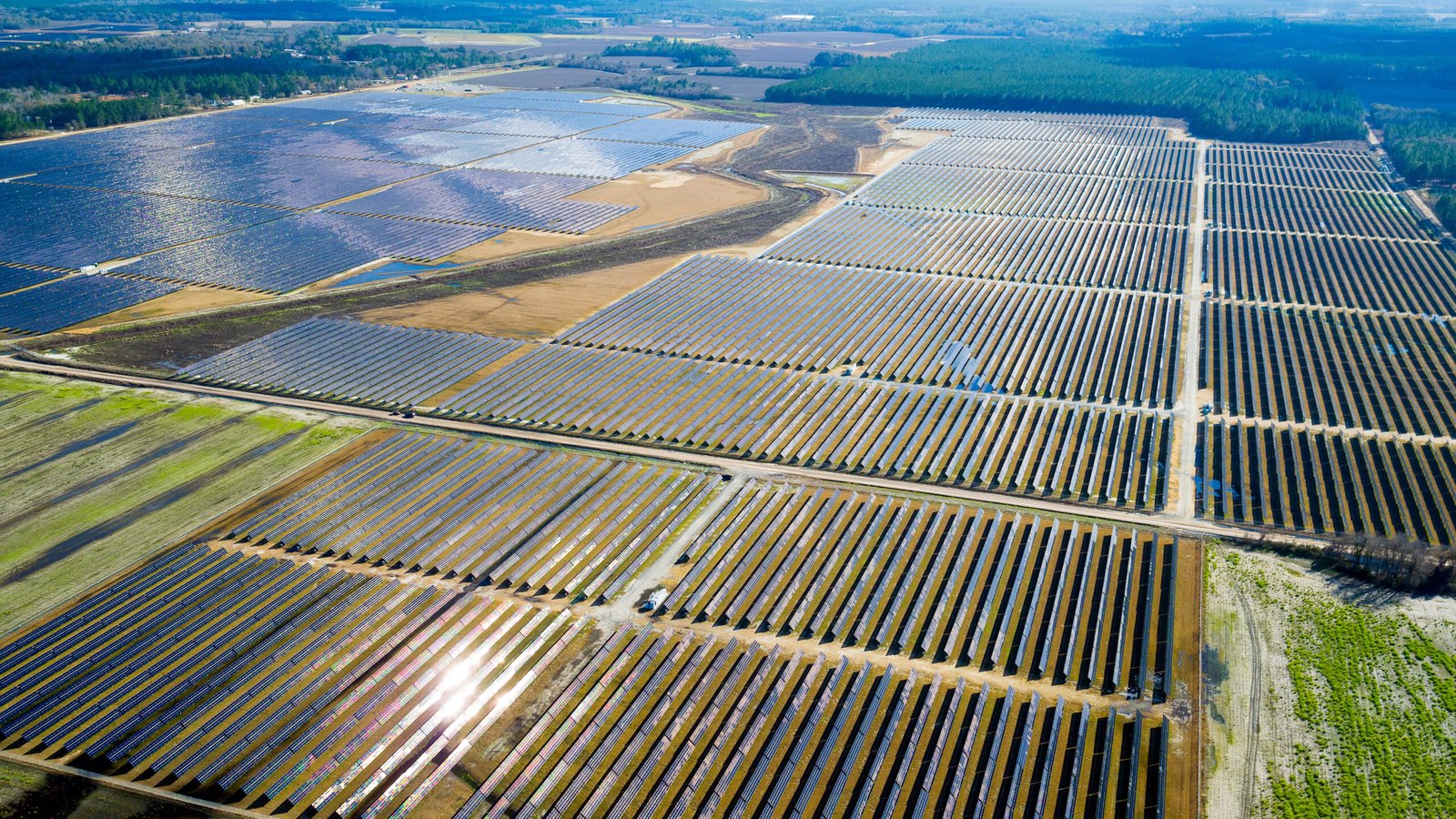
As interest in renewable energy continues to grow, more people are searching for solar farms near me to learn how these large-scale solar projects work and whether they can benefit from them. Solar farms have become an important part of the transition to cleaner electricity by generating power from sunlight instead of fossil fuels. They are now found in many regions around the world, supplying electricity to homes, businesses, schools, hospitals, and industries through the local power grid. Their growth reflects the increasing demand for sustainable energy solutions that reduce pollution while supporting reliable electricity generation.
Many people assume solar farms are only useful for utility companies, but they can also benefit local communities in several ways. Some areas offer community solar programs that allow residents to receive clean energy without installing solar panels on their own roofs.solar farms near me Others benefit through local jobs, land leasing opportunities, and increased investment in renewable energy infrastructure. Whether you are simply curious about a nearby solar project or considering joining a community solar program, understanding how solar farms operate can help you make informed decisions about clean energy.
What Is a Solar Farm?
A solar farm is a large area of land covered with hundreds or even thousands of solar panels that convert sunlight into electricity.solar farms near me Unlike residential rooftop systems, solar farms are designed to generate electricity on a much larger scale. The electricity produced is transmitted into the power grid, where it becomes available for homes, businesses, and public facilities. Depending on their size, some solar farms can produce enough electricity to power thousands of households every year.
Most solar farms use photovoltaic panels that capture sunlight and convert it directly into electrical energy. These panels are connected through electrical equipment that safely transfers electricity to substations before it enters the local grid.solar farms near me Modern solar farms are carefully designed to maximize energy production while minimizing maintenance costs. Their simple operating process allows them to generate clean electricity with very few moving parts and relatively low operating expenses.
How Solar Farms Work
The operation of a solar farm begins when sunlight reaches the photovoltaic cells inside each solar panel. solar farms near me These cells absorb solar energy and produce direct current electricity. Inverters then convert this electricity into alternating current, which is the form used by homes and businesses. The electricity is sent through transformers before entering the electrical grid for distribution to consumers.
Many modern solar farms use tracking systems that slowly move the panels throughout the day to follow the sun’s position. By adjusting the angle of the panels, these systems increase the amount of sunlight collected and improve overall electricity production. Some facilities also include battery storage systems that store excess electricity during sunny periods and release it when electricity demand increases or sunlight is unavailable.solar farms near me This combination of solar generation and energy storage helps improve grid stability and makes renewable energy more reliable.
Benefits of Local Solar Farms
Local solar farms provide significant environmental benefits by producing electricity without burning coal, oil, or natural gas. During normal operation, they generate electricity without producing greenhouse gas emissions or air pollution. This helps improve air quality while supporting efforts to reduce climate change.solar farms near me As countries work toward cleaner energy goals, solar farms continue to play an increasingly important role in replacing conventional power plants.
Solar farms also contribute to local economic development.solar farms near me Their construction creates employment opportunities for engineers, electricians, equipment operators, construction workers, and maintenance technicians. After construction is complete, permanent jobs remain for monitoring, inspections, repairs, vegetation management, and equipment maintenance. Landowners who lease their property for solar development often receive long-term rental income, creating financial stability while allowing the land to continue supporting renewable energy production.
Community Solar Programs
Community solar programs make solar energy available to people who cannot install rooftop solar panels.solar farms near me This includes renters, apartment residents, homeowners with shaded roofs, or individuals whose homes are unsuitable for solar installation. Instead of purchasing panels, participants subscribe to a portion of electricity generated by a nearby solar farm. In return, they receive credits on their electricity bills based on the amount of energy produced by their share of the project.
These programs have expanded rapidly because they allow more households to participate in renewable energy without major upfront investments.solar farms near me Community solar also helps utilities add clean electricity to the grid while giving consumers greater access to renewable energy. For many families, this provides an affordable way to support clean energy while reducing monthly electricity costs over time.
Choosing the Right Location for Solar Farms
Selecting the right location is one of the most important parts of developing a successful solar farm.solar farms near me Developers look for areas with high levels of sunlight throughout the year, relatively flat land, and easy access to existing power lines. Good transportation access is also important because construction equipment and maintenance vehicles must reach the site safely.
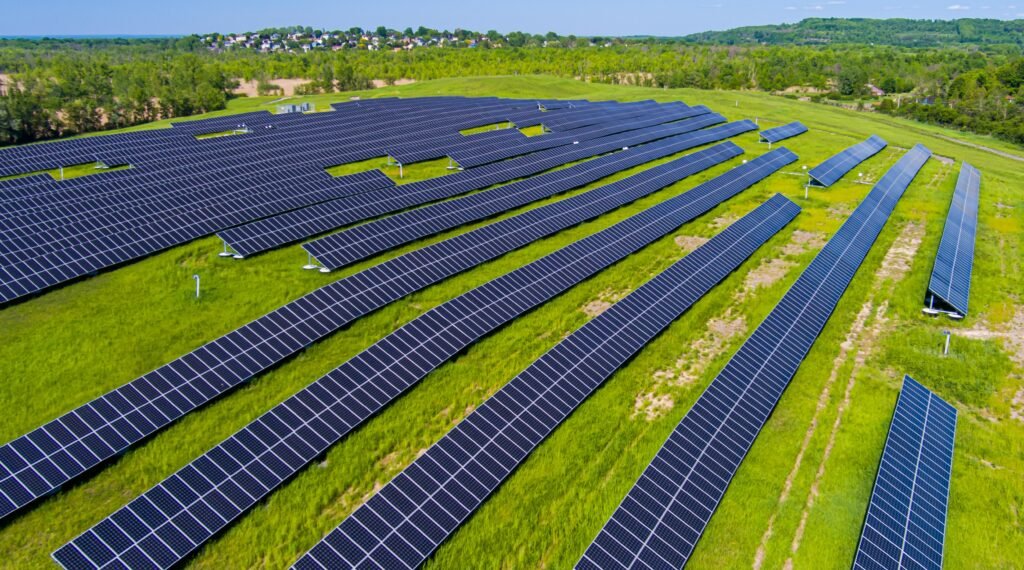
Environmental studies are completed before construction begins to evaluate wildlife habitats, water resources, soil conditions, and nearby communities.solar farms near me Careful planning helps reduce environmental impacts while ensuring the project operates efficiently for decades. In many locations, native grasses and flowering plants are grown beneath the solar panels to improve soil health, reduce erosion, and support local pollinators such as bees and butterflies.
Environmental Impact of Solar Farms
Solar farms produce clean electricity without releasing carbon dioxide during normal operation, making them one of the most environmentally friendly forms of electricity generation.solar farms near me By replacing fossil fuel power plants, they help reduce greenhouse gas emissions, improve air quality, and support national efforts to expand renewable energy. Their ability to generate electricity using only sunlight makes them an important part of a sustainable energy future.
Like all large infrastructure projects, solar farms require responsible planning. Developers work to minimize impacts on wildlife and surrounding ecosystems through careful site selection and environmental management.solar farms near me Many projects include vegetation restoration, stormwater management systems, and wildlife protection measures that allow renewable energy production to coexist with the natural environment. These practices continue improving as solar technology and environmental research advance.
Technology Behind Modern Solar Farms
Solar technology has improved significantly over the past decade, allowing modern solar farms to generate more electricity using fewer panels than earlier systems.solar farms near me Today’s photovoltaic panels are more efficient at converting sunlight into electricity, while advanced monitoring systems continuously track performance and identify equipment that requires maintenance. These improvements increase reliability and reduce operating costs.
Many large solar farms now combine renewable electricity generation with battery energy storage. Batteries store excess electricity during sunny periods and deliver it back to the grid when electricity demand rises or weather conditions reduce solar production.solar farms near me Digital monitoring systems also allow operators to supervise thousands of solar panels from centralized control centers, making maintenance faster and improving overall system performance.
Challenges Facing Solar Farm Development
Although solar farms offer many advantages, developers must overcome several challenges before projects become operational. Obtaining permits, completing environmental assessments, securing financing, and connecting to the electrical grid can require considerable planning and investment. Weather conditions, land availability, and local regulations also influence project development timelines.
Public opinion can sometimes affect proposed projects, particularly when large areas of land are involved. Community engagement plays an important role in helping residents understand how solar farms operate, what environmental protections are included, and how the project may benefit the local economy. Open communication between developers, local governments, and residents often leads to stronger community support and better project outcomes.
The Future of Solar Farms
The future of solar farms appears very promising as demand for renewable energy continues growing around the world. Improvements in solar panel efficiency, battery storage technology, and electrical grid management are making solar power more reliable and affordable each year. Governments, utility companies, and private investors continue expanding renewable energy projects to meet rising electricity demand while reducing carbon emissions.
Researchers are also developing new technologies that will further increase electricity production and improve land use. Floating solar farms on reservoirs, dual-use agricultural solar projects, and more efficient photovoltaic materials are helping maximize renewable energy generation. As innovation continues, solar farms are expected to become an even larger part of the global energy system, supporting cleaner electricity and greater energy independence for future generations.
Conclusion
Searching for solar farms near me is often the first step toward understanding one of today’s fastest-growing sources of renewable energy. Solar farms generate clean electricity, reduce greenhouse gas emissions, strengthen local power supplies, and create economic opportunities for communities. They also make renewable energy accessible to more people through community solar programs, allowing households to benefit from clean electricity even if rooftop solar panels are not an option.
As technology continues advancing and investment in renewable energy increases, solar farms will remain a key part of the world’s transition toward sustainable power generation. Their ability to produce reliable electricity with minimal environmental impact makes them an important solution for meeting future energy needs. Whether you are interested in learning about local renewable energy projects or exploring opportunities to participate in community solar, understanding how solar farms work provides valuable knowledge about the future of clean energy.
