

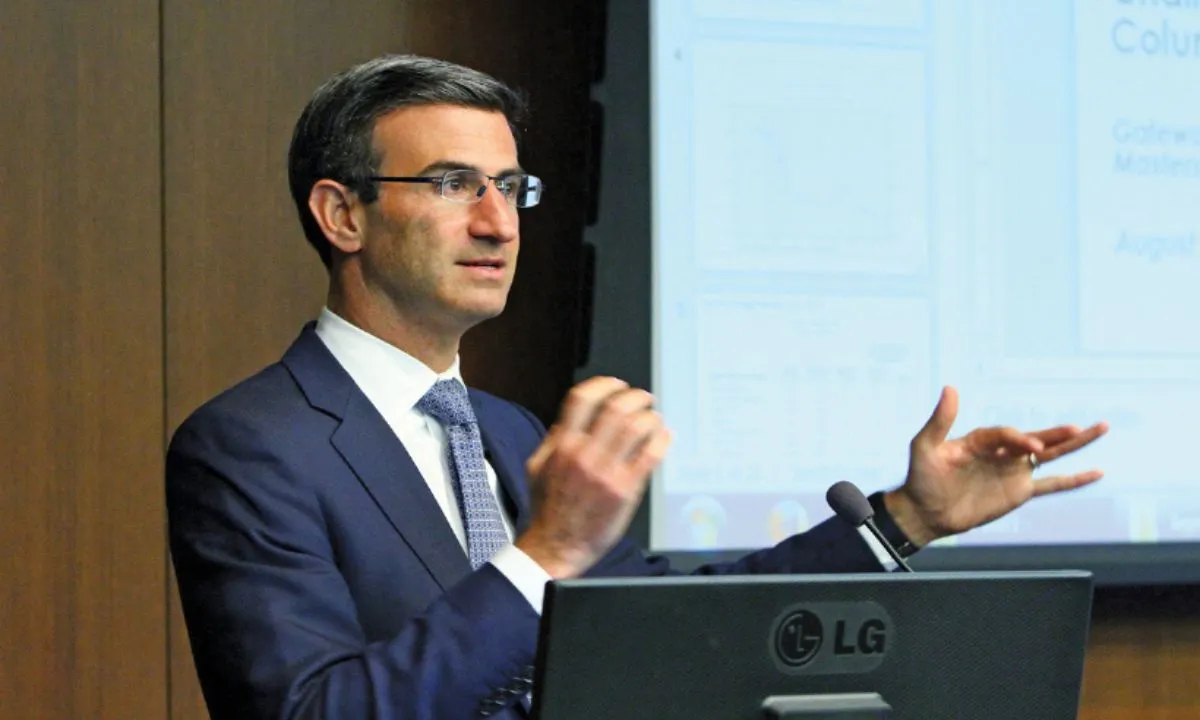
When people search for “Peter Orszag bald,” they are often looking for information about the appearance of one of America’s most recognizable economists and financial executives. While Peter Orszag is best known for his influential work in economic policy, federal budgeting, healthcare economics, and investment banking, a growing number of internet users have become curious about his hair loss and changing appearance over the years. This type of public interest is common among high-profile figures who spend decades in the spotlight, where every visible change can attract attention.
The discussion surrounding Peter Orszag’s hair is part of a larger cultural fascination with aging, professional image, and physical appearance. Public figures are constantly photographed, interviewed, and featured in media coverage, making even subtle changes more noticeable than they would be for the average person. As a result, searches related to baldness, receding hairlines, and hair thinning frequently emerge around politicians, executives, journalists, and economists who maintain a long-term public presence.
Although the phrase “Peter Orszag bald” suggests that many people believe he may have become completely bald, the reality is more nuanced. Public appearances indicate that Orszag has experienced gradual hair thinning and a receding hairline over time rather than total baldness. Understanding why this topic has generated interest requires a closer look at Peter Orszag’s career, public visibility, aging process, and the broader conversation about male pattern hair loss among successful professionals.
Who Is Peter Orszag and Why Is He So Well Known?
Peter Orszag has established himself as one of the most respected economists and policy experts of his generation.peter orszag bald Born in Boston, Massachusetts, in 1968, he developed an early interest in economics and public policy. His academic achievements helped build the foundation for a career that would eventually place him at the center of major national economic discussions.
After graduating from Princeton University, Orszag earned a doctorate in economics from the London School of Economics.peter orszag bald His academic work focused heavily on public finance, healthcare spending, retirement policy, and government budgeting. These subjects would later become central themes throughout his professional career.
Before entering senior government service, Orszag worked as an economist and policy analyst, gaining recognition for his expertise in budgetary issues. He became particularly well known during his tenure as Director of the Congressional Budget Office, where he was responsible for providing economic analysis and budget projections to lawmakers.
His national profile increased significantly when President Barack Obama appointed him Director of the Office of Management and Budget.peter orszag bald In that role, Orszag became one of the administration’s most influential economic advisers, helping shape fiscal policy during a period marked by economic recovery efforts following the financial crisis.
Following his government service, he transitioned into the private sector and joined Lazard, one of the world’s leading financial advisory and asset management firms. His rise within the organization eventually led to his appointment as Chief Executive Officer, further cementing his status as a prominent figure in both economics and finance.
Because Orszag has remained visible throughout multiple decades, people have naturally observed changes in his appearance over time.peter orszag bald This sustained public exposure helps explain why searches related to his hair and potential baldness continue to attract attention.
Why Has “Peter Orszag Bald” Become a Popular Search Term?
Internet search behavior often reveals what captures public curiosity, even when the topic appears relatively minor compared to a person’s accomplishments. The phrase “Peter Orszag bald” is a prime example of how appearance-related questions can gain traction online despite having little connection to an individual’s professional achievements.
One reason for the popularity of the search term is the increasing visibility of public figures in the digital age. Television interviews, conference appearances, social media photographs, corporate presentations, and news coverage allow people to compare current images with older photographs almost instantly.peter orszag bald When someone has been in the public eye for decades, even gradual physical changes become easier to notice.
Another factor is the way search engines influence user behavior. Once a sufficient number of people begin searching for a specific phrase, search suggestions and autocomplete features can encourage others to explore the same topic. Over time, curiosity generates additional searches,peter orszag bald creating a cycle that reinforces public interest.
There is also a broader cultural fascination with hair loss. Many men experience similar changes as they age and often search for examples among well-known public figures.peter orszag bald Seeing successful professionals navigate the same natural aging process can make the topic feel more relatable and personally relevant.
The popularity of the keyword therefore reflects a combination of internet curiosity, public visibility, and widespread interest in age-related hair changes rather than any significant event involving Orszag himself.
Is Peter Orszag Actually Bald?
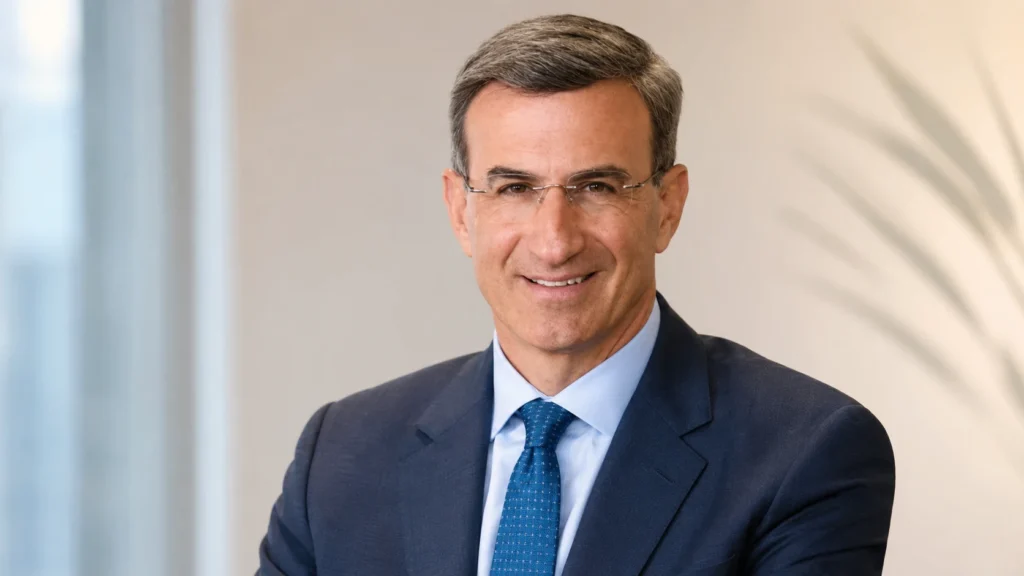
The most direct answer is that Peter Orszag is not completely bald.peter orszag bald Public photographs, television appearances, conference footage, and professional portraits consistently show that he retains visible hair coverage. However, these images also suggest that his hair has become thinner compared to earlier stages of his career.
Many people use the word “bald” broadly when referring to anyone with noticeable hair loss. In reality, there is an important distinction between complete baldness and gradual thinning.peter orszag bald Complete baldness generally involves extensive loss of hair across large areas of the scalp, while thinning hair often leaves substantial coverage despite reduced density.
Orszag appears to fall into the second category. His hairline has gradually receded, and the density of hair on the top of his head seems lower than it was in earlier years.peter orszag bald These changes are consistent with normal aging patterns observed in millions of men worldwide.
The perception that he may be bald is often influenced by lighting conditions, camera angles, and image quality.peter orszag bald Bright studio lighting can make the scalp more visible, especially when hair becomes thinner. As a result, certain photographs may create a stronger impression of hair loss than others.
Viewed over a long timeline, his appearance reflects a gradual evolution rather than a sudden transformation. This progression aligns closely with common patterns of male hair loss and does not indicate complete baldness.
Examining Peter Orszag’s Hairline Evolution Over the Years
One reason people continue searching for information about Peter Orszag’s hair is that his professional career provides a long visual record spanning more than two decades.peter orszag bald Numerous photographs from different stages of his life make it possible to observe changes in his hairline over time.
During the late 1990s and early 2000s, Orszag generally appeared with fuller hair and greater density around the front of the scalp.peter orszag bald Images from this period show a relatively youthful hairline that exhibited little visible recession.
As he entered more prominent government roles, subtle changes became increasingly noticeable. The temples appeared to recede gradually, creating a more mature hairline.peter orszag bald These changes occurred slowly, making them difficult to notice in the short term but more apparent when comparing photographs taken years apart.
Throughout his tenure in Washington and later in the financial sector, continued thinning became visible near the crown and frontal regions of the scalp.peter orszag bald This progression followed a pattern commonly associated with androgenetic alopecia, the medical term for male pattern baldness.
Importantly, the change was gradual rather than dramatic. There was no sudden disappearance of hair or obvious indication of a medical condition causing rapid loss.peter orszag bald Instead, the transformation reflected the normal progression experienced by many men as they move through middle age.
Because Orszag remained consistently active in public life during this period, observers had ample opportunities to track these changes, contributing to ongoing discussions about his appearance.
Understanding Male Pattern Baldness and Hair Thinning
To understand why Peter Orszag’s appearance has changed, it is helpful to examine the most common cause of hair loss in men: male pattern baldness. This condition affects a substantial percentage of men worldwide and is considered a normal aspect of aging for many individuals.
Male pattern baldness is largely driven by genetics and hormonal factors. Specifically, hair follicles may become increasingly sensitive to dihydrotestosterone, often referred to as DHT. Over time, this hormone can cause affected follicles to shrink, producing thinner and shorter hairs with each growth cycle.
The process typically begins with recession at the temples, creating a more pronounced hairline. As the condition progresses, thinning may occur near the crown. Some individuals eventually experience extensive hair loss across the top of the scalp, while others retain significant coverage despite visible thinning.
Not every man follows the same pattern. Genetics influence both the speed and severity of hair loss, meaning two people of similar age can have dramatically different outcomes. Some men maintain relatively thick hair throughout life, while others begin experiencing noticeable changes in their twenties or thirties.
Based on publicly available images, Orszag’s hair appears consistent with a common and moderate pattern of age-related thinning rather than severe baldness. His experience mirrors that of many professionals who remain active and visible well into middle age and beyond.
Public Perception, Professional Image, and Leadership
The discussion surrounding Peter Orszag’s hair highlights an interesting aspect of public life: the relationship between appearance and professional image. Whether fair or not, people often form impressions based on physical characteristics, especially when evaluating leaders.
Research in psychology has shown that individuals frequently associate certain appearance traits with competence, experience, authority, and trustworthiness. Hair, in particular, has historically played a role in perceptions of age and leadership. However, these associations vary widely across cultures and industries.
In fields such as economics, government policy, academia, and finance, expertise typically outweighs appearance. Professionals are judged primarily by their knowledge, analytical ability, and decision-making skills rather than their hairstyle or physical features.
Orszag’s career provides a strong example of this reality. During the same period in which his hairline evolved, he continued to earn increasingly influential positions. His advancement from academic economist to government adviser and eventually chief executive demonstrates that professional achievement is not dependent on maintaining a youthful appearance.
Indeed, many senior executives and policy experts experience hair loss while continuing to command respect and authority. In these environments, visible signs of age often reinforce perceptions of experience rather than diminishing credibility.
Rumors About Hair Restoration, Wigs, and Cosmetic Procedures
Whenever a public figure experiences noticeable hair loss, speculation often follows. Questions about hair transplants, wigs, toupees, and cosmetic procedures frequently emerge online, and Peter Orszag has not been entirely immune to such discussions.
Some observers have wondered whether variations in his appearance from one photograph to another might indicate the use of hair restoration techniques. These theories typically arise because lighting conditions, grooming choices, and camera angles can dramatically affect how hair appears.
However, there is no publicly available evidence suggesting that Orszag has undergone a hair transplant, wears a hairpiece, or uses any cosmetic intervention to alter his appearance. The gradual nature of his hairline changes appears consistent with natural aging rather than artificial enhancement.
Hair transplants generally produce distinct patterns of regrowth that become noticeable over time. Similarly, wigs and hair systems often generate visible inconsistencies that attract scrutiny. No such indicators have been publicly documented in relation to Orszag.
As a result, most assessments of his appearance conclude that his hair reflects a normal progression of age-related thinning rather than the outcome of cosmetic treatment or concealment strategies.
Why Hair Loss Attracts So Much Public Attention
Hair loss occupies a unique place in public consciousness because it affects a large percentage of the population while also carrying strong emotional and cultural associations. Many people view hair as an important component of identity, youthfulness, and self-image.
For men experiencing hair thinning, seeing well-known public figures navigate similar changes can be reassuring. It reinforces the reality that hair loss is a widespread and natural process rather than an unusual problem affecting only a small group of individuals.
Media coverage and celebrity culture further amplify attention toward appearance. In an era where high-resolution images are constantly available online, even minor physical changes become topics of discussion. Public figures often find themselves analyzed in ways that ordinary individuals never experience.
The interest in Peter Orszag’s hair reflects this broader phenomenon. Although his accomplishments in economics and finance are far more significant than his hairstyle, visual changes are often easier for casual observers to notice than policy expertise or corporate leadership achievements.
Consequently, searches about baldness frequently become entry points for people learning more about prominent individuals whose careers span many years.
Aging in the Public Eye: A Challenge for High-Profile Professionals
One of the most fascinating aspects of Peter Orszag’s situation is that it illustrates what happens when someone ages under continuous public observation. Most people experience physical changes gradually and privately. Public figures, by contrast, undergo the same process in front of cameras.
Every stage of aging becomes documented through photographs, videos, interviews, and public appearances. As a result, changes that would otherwise go unnoticed become highly visible. Hair loss, wrinkles, weight fluctuations, and other natural developments attract attention simply because there is a large archive of images available for comparison.
For professionals like Orszag, this visibility can create unexpected conversations unrelated to their work. While he is primarily known for economic policy, budget analysis, healthcare reform discussions, and financial leadership, internet searches often focus on personal appearance because visual topics generate immediate curiosity.
Despite this attention, successful public figures generally continue focusing on their expertise and responsibilities rather than responding to appearance-related speculation. Orszag’s public career demonstrates this approach, as his professional contributions have consistently remained the center of his public identity.
Conclusion
The search term “Peter Orszag bald” reflects a combination of public curiosity, internet culture, and widespread interest in the natural aging process. Although many people search for information about his hair, the evidence indicates that Peter Orszag is not completely bald. Instead, he appears to have experienced gradual hair thinning and a receding hairline consistent with common patterns of male aging.
Throughout his career, Orszag has remained a highly respected economist, policymaker, and financial executive. His achievements span academia, government service, public policy, and corporate leadership, making him one of the most influential economic voices of his generation. While discussions about his appearance continue to attract online attention, they represent only a small part of a much larger professional story.
Ultimately, the interest in Peter Orszag’s hair underscores a broader reality: people are naturally curious about how public figures age over time. Yet his career demonstrates that expertise, leadership, and accomplishment remain far more important than physical appearance. His evolving hairline may generate searches, but his enduring legacy is rooted in economics, public service, financial strategy, and decades of influential work at the highest levels of government and business.
