

Introduction to LinkedIn Games
LinkedIn has long been known as a platform dedicated to professional networking, job searching, and industry insights. However, the introduction of LinkedIn Games has added a new and unexpected dimension to the platform. These games are designed to provide quick mental challenges that users can enjoy during short breaks, without stepping away from a professional environment. This shift reflects a broader trend where digital platforms are blending productivity with entertainment to improve user engagement.
The idea behind LinkedIn Games is simple yet powerful. Professionals often need brief moments of relaxation during their busy workdays, and short puzzle-based games can offer exactly that. By integrating games directly into the platform, LinkedIn ensures that users remain engaged while also benefiting from mental stimulation. This approach aligns with modern workplace habits, where micro-breaks are considered essential for maintaining focus and productivity.
As more users discover these games, their popularity continues to grow. Millions of professionals now log in daily not only to network or browse job opportunities but also to solve puzzles and compete with their connections. This evolution highlights how LinkedIn is adapting to changing user behavior while maintaining its core identity as a professional platform.
What Are LinkedIn Games?
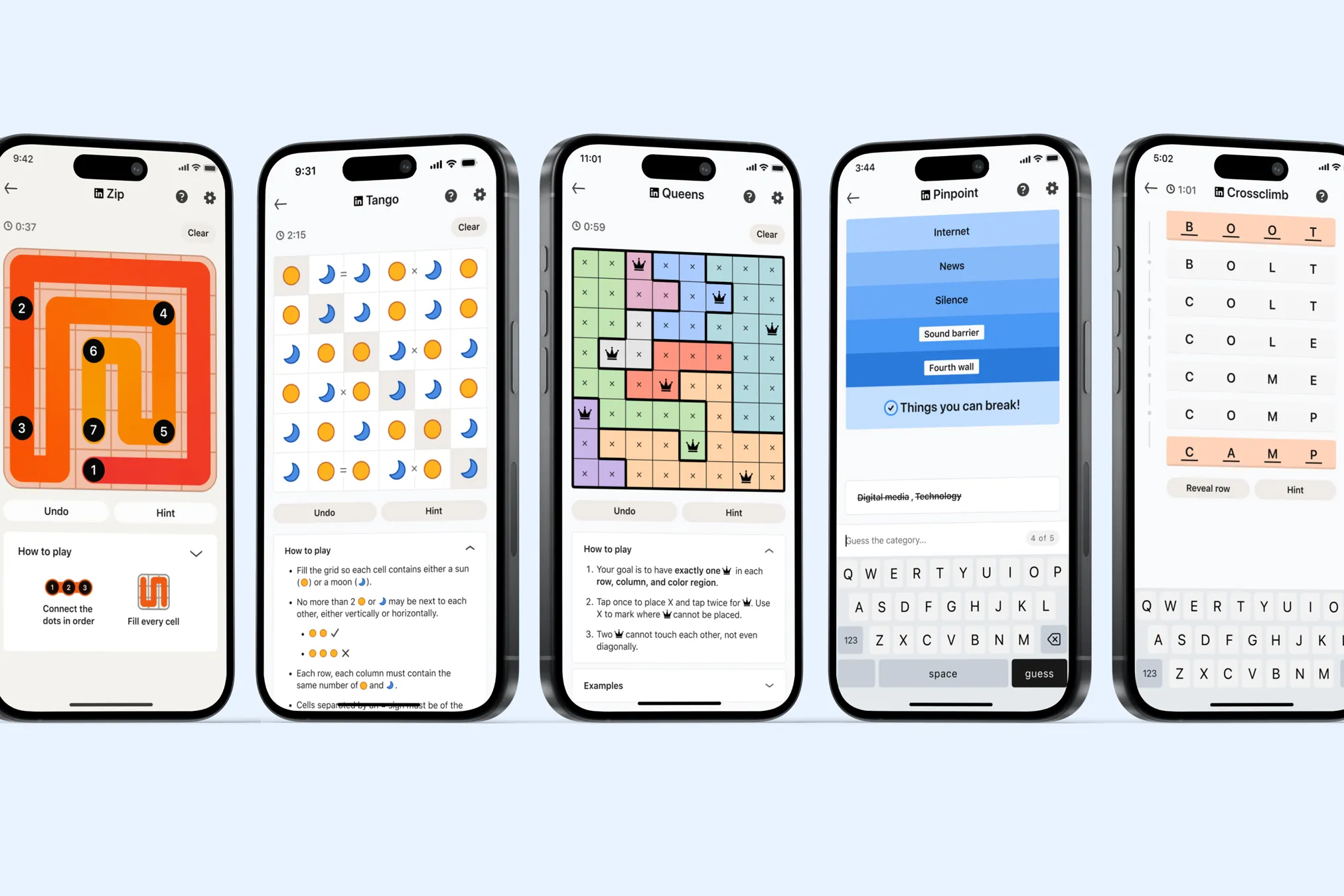
LinkedIn Games are a collection of browser-based puzzle games that can be played directly within the LinkedIn platform. They are free to access and do not require any downloads or installations, making them highly convenient for users. These games focus on cognitive skills such as logic, vocabulary, pattern recognition, and problem-solving, offering a mentally engaging experience rather than pure entertainment.
Each game features a daily puzzle that resets every 24 hours. This daily format encourages users to return regularly, creating a habit that increases overall platform engagement. Since everyone receives the same puzzle each day, it creates a shared experience among players, which can lead to discussions and friendly competition within professional networks.
Another important aspect of LinkedIn Games is their simplicity. The interface is clean and intuitive, allowing users to start playing instantly. There are no complicated rules or long tutorials, which makes these games accessible to a wide audience, including those who may not typically play games.
The Evolution of Gaming on Professional Platforms
The addition of games to LinkedIn represents a significant shift in how professional platforms operate. Traditionally, platforms like LinkedIn were strictly focused on career development and networking. However, as user expectations evolved, there was a growing demand for more interactive and engaging features.
LinkedIn responded to this demand by introducing games as part of its broader strategy to enhance user experience. This move reflects the concept of gamification, where game elements are incorporated into non-gaming environments to increase engagement. Gamification has been successfully used in various industries, including education, marketing, and workplace training.
Over time, LinkedIn Games have become more refined, with improved design and a wider variety of challenges. The platform has focused on creating high-quality puzzles that are both enjoyable and intellectually stimulating. This commitment to quality has helped establish LinkedIn Games as a credible and valuable feature rather than a simple novelty.
Types of LinkedIn Games Available
LinkedIn offers several types of games, each designed to challenge different cognitive abilities. Some games focus on language skills, requiring players to identify patterns in words or make connections between terms. Others emphasize logical reasoning, asking users to solve puzzles based on rules and sequences.
There are also number-based games that test mathematical thinking and problem-solving abilities. These games are particularly appealing to users who enjoy analytical challenges. Additionally, some games involve spatial reasoning, requiring players to visualize patterns and relationships.
The diversity of game types ensures that there is something for everyone. Users can explore different games to find the ones that suit their interests and strengths. This variety not only keeps the experience fresh but also encourages users to develop multiple cognitive skills over time.
How LinkedIn Games Work
Playing LinkedIn Games is straightforward and requires no special setup. Users can access the games through the LinkedIn interface, where they are presented with a selection of available puzzles. Once a game is selected, it loads instantly, allowing users to begin playing without any delay.
Each game offers a single daily puzzle, which resets at a specific time. This daily reset creates a sense of anticipation and encourages users to return regularly. Since all players receive the same puzzle, it fosters a shared experience and makes it easier to compare results with others.
The platform also includes features such as score tracking and leaderboards. These elements add a competitive aspect to the games, motivating users to improve their performance. By comparing scores with connections, users can engage in friendly competition that enhances the overall experience.
Benefits of Playing LinkedIn Games
LinkedIn Games provide several benefits that go beyond simple entertainment. One of the most significant advantages is mental stimulation. These puzzles challenge the brain and help improve cognitive skills such as memory, focus, and problem-solving. Regular engagement with such activities can contribute to better mental agility.
Another important benefit is stress relief. Short gaming sessions offer a quick escape from work-related pressures, helping users recharge and maintain productivity. Unlike more time-consuming forms of entertainment, LinkedIn Games are designed to be brief and purposeful, making them ideal for busy professionals.
Additionally, these games encourage social interaction. By sharing scores and competing with connections, users can engage in light-hearted conversations. This interaction can strengthen professional relationships and make networking more enjoyable and less formal.
LinkedIn Games and Professional Networking
One of the unique aspects of LinkedIn Games is their impact on professional networking. Traditional networking methods can sometimes feel rigid or intimidating, but games introduce a more relaxed and engaging approach. By participating in shared activities, users can connect with others in a more natural way.
The competitive element of the games encourages interaction among connections. Users may discuss strategies, share achievements, or challenge each other to improve their scores. These interactions can lead to stronger relationships and increased engagement on the platform.
Furthermore, LinkedIn Games can serve as an effective icebreaker. Conversations about games are often easier to initiate than formal discussions about work or career goals. This makes it easier for users to build connections and expand their professional network.
SEO Trends and Digital Impact of LinkedIn Games
The rise of LinkedIn Games has also influenced digital trends and search engine optimization strategies. As interest in these games grows, more users are searching for information related to gameplay, strategies, and solutions. This has led to an increase in content focused on LinkedIn Games.
Content creators are targeting keywords such as “LinkedIn puzzle answers,” “daily LinkedIn games,” and “how to play LinkedIn games.” By creating informative and engaging content, they can attract organic traffic and reach a wider audience. This trend highlights the importance of staying updated with emerging topics in the digital landscape.
In addition, LinkedIn Games demonstrate the effectiveness of gamification as a strategy for increasing user engagement. Businesses and marketers can learn from this approach and apply similar techniques in their own platforms. This makes LinkedIn Games not only a source of entertainment but also a valuable case study in digital innovation.
Challenges and Limitations of LinkedIn Games
Despite their many advantages, LinkedIn Games are not without limitations. One of the main challenges is the restriction of one puzzle per day. While this encourages regular engagement, some users may find it limiting and wish for more gameplay options.
Another issue is accessibility. Not all users may have equal access to the games due to technical limitations or regional restrictions. This can affect the overall user experience and limit the reach of the feature.
There is also an ongoing debate about the role of games on a professional platform. While many users appreciate the added engagement, others feel that it may distract from LinkedIn’s primary purpose. Finding the right balance between entertainment and professionalism remains an important challenge.
The Future of LinkedIn Games
The future of LinkedIn Games looks promising as the platform continues to evolve. With increasing user engagement, it is likely that LinkedIn will introduce new games and features to enhance the experience. These updates may include more personalized challenges and improved social interaction tools.
Advancements in technology, such as artificial intelligence, could also play a role in shaping the future of these games. AI-driven puzzles could adapt to individual skill levels, providing a more personalized and challenging experience. This would help keep users engaged over the long term.
Additionally, LinkedIn may explore ways to integrate games with learning and professional development. For example, puzzles could be designed to teach specific skills or concepts, combining entertainment with education. This would further strengthen the platform’s value as a tool for both personal and professional growth.
Conclusion
LinkedIn Games represent a unique and innovative addition to the professional networking landscape. By combining entertainment with cognitive challenges, they offer users a refreshing way to engage with the platform. These games not only provide mental stimulation and stress relief but also enhance social interaction and networking opportunities.
As digital platforms continue to evolve, features like LinkedIn Games highlight the importance of balancing productivity with enjoyment. Their growing popularity demonstrates that even in a professional environment, there is room for creativity and fun. With ongoing innovation and user interest, LinkedIn Games are likely to remain a significant part of the platform’s future.
