

Introduction
The search for KPop Demon Hunters theaters has grown rapidly as audiences around the world continue to ask whether the animated musical fantasy film ever received a proper cinema release and if it is still available in theaters today. The movie, officially released as KPop Demon Hunters, became one of the most talked-about streaming titles due to its unique blend of K-pop culture, fantasy storytelling, and high-energy musical sequences designed with cinematic spectacle in mind.
Although it originally premiered on Netflix rather than in traditional cinemas, the demand for theatrical screenings quickly emerged after release. Fans wanted a larger-than-life viewing experience that could match the scale of its visuals and music. This growing interest led to limited cinema events, sing-along screenings, and special promotional showings in select regions, making “KPop Demon Hunters theaters” a widely searched topic across entertainment platforms.
Overview of KPop Demon Hunters Theaters Phenomenon
The idea of “KPop Demon Hunters theaters” does not refer to a standard worldwide theatrical run but rather a collection of limited screenings and fan-driven cinema events. After its Netflix debut, the film gained viral popularity due to its vibrant animation style and K-pop-inspired soundtrack, which encouraged fans to seek out a communal theater experience.
This phenomenon reflects a broader trend in modern entertainment where streaming-first films still generate demand for cinema viewing. In the case of KPop Demon Hunters, audiences were especially drawn to its concert-like musical sequences, which naturally lent themselves to large-screen presentation. As a result, theater-related searches surged even though the film was not initially released through traditional distributors.
The growing interest also highlighted how digital releases can still influence physical cinema programming. Even without a global theatrical rollout, the film managed to create enough cultural momentum to justify selective screenings, proving that audience demand can reshape distribution models in real time.
Netflix Release Strategy and Limited Theatrical Approach
The release strategy behind KPop Demon Hunters followed Netflix’s evolving hybrid model, where streaming premieres are occasionally supported by limited theatrical runs. Instead of competing directly with traditional box office releases, Netflix used selective cinema screenings primarily for promotional visibility and audience engagement.
This approach allowed the film to qualify for awards consideration while still prioritizing its global streaming audience. Theaters were used strategically rather than commercially, focusing on high-impact screenings in key markets instead of long-term availability. This is one of the reasons why many viewers searching for “KPop Demon Hunters theaters showtimes” often find inconsistent or outdated listings.
The limited theatrical strategy also helped build exclusivity around the film. By not offering a wide release, the cinema events became special occasions rather than standard screenings, increasing demand and making each showing feel more like a fan celebration than a typical movie outing.
Why Fans Want to Experience It in Theaters
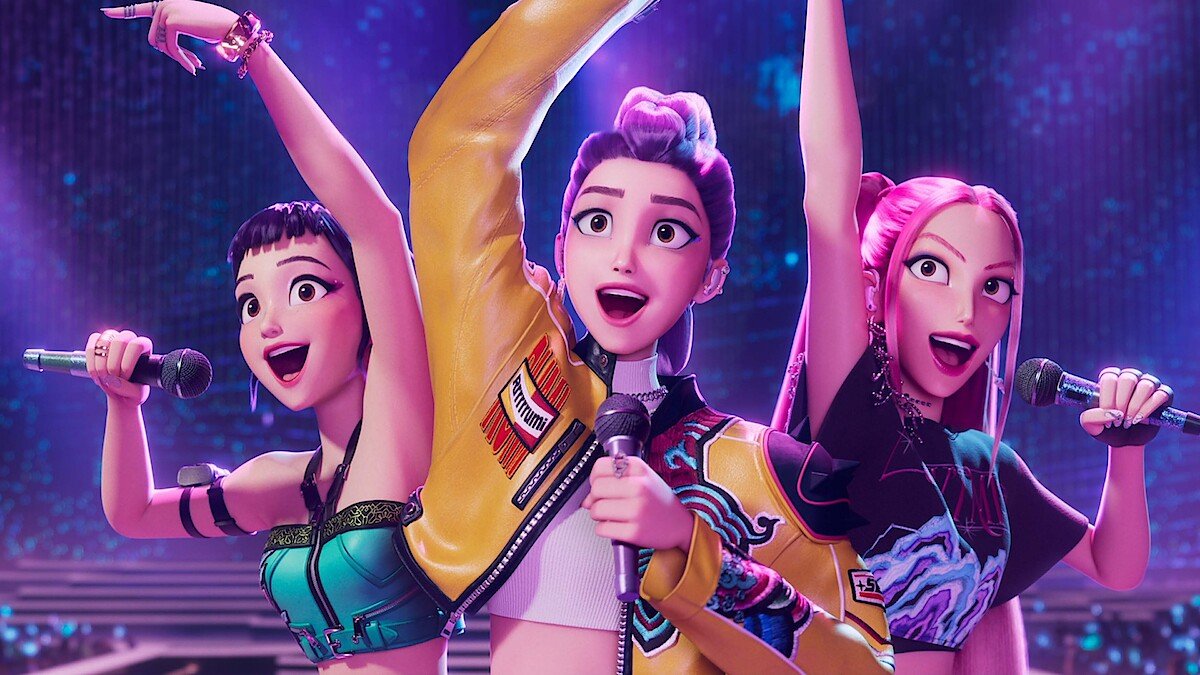
One of the main reasons audiences continue searching for KPop Demon Hunters theaters is the film’s strong audiovisual design. The animation features high-energy choreography, fantasy battle sequences, and idol-style performances that resemble a live concert more than a traditional animated movie.
In KPop Demon Hunters, music is not just background entertainment but a core storytelling device. Each performance sequence is crafted with dynamic lighting, synchronized movement, and emotional pacing that feels amplified on a big screen. This makes the cinema experience significantly more immersive than home viewing.
Fans also associate the film with communal energy. Much like K-pop concerts, the movie encourages emotional participation, singing, and collective excitement. This is why even after its streaming release, many viewers still hope for theatrical re-runs or special screenings where the audience experience becomes part of the entertainment itself.
Sing-Along Screenings and Fan Theater Events
One of the most successful adaptations of the film’s theatrical presence has been the introduction of sing-along screenings. These events transformed traditional cinema viewings into interactive experiences where audiences could actively participate during musical sequences.
For KPop Demon Hunters, sing-along events aligned perfectly with its K-pop-inspired structure. The soundtrack-driven storytelling encouraged fans to engage with lyrics, choreography, and emotional beats in real time, creating an atmosphere similar to a live idol performance rather than a passive movie screening.
These events also strengthened fan communities. Theaters became gathering spaces where viewers dressed in themed outfits, shared reactions, and celebrated favorite characters together. This shift from passive viewing to participatory entertainment played a major role in sustaining the film’s cultural momentum long after its initial release.
Locations and Availability of Theatrical Screenings
Unlike traditional blockbuster films, KPop Demon Hunters theaters screenings were not uniformly available across all regions. Instead, they were organized as limited events in select cities and theaters that participated in promotional collaborations.
For KPop Demon Hunters, availability often depended on regional demand and distributor partnerships. Major urban centers were more likely to host screenings, while smaller locations had limited or no access to theatrical events. This uneven distribution contributed to the confusion many users experience when searching for current showtimes.
Because these screenings were event-based rather than continuous, they typically ran for short periods such as weekends or special release windows. Once the event concluded, listings disappeared from most cinema platforms, reinforcing the perception that the film is not consistently available in theaters.
Ticket Demand, Showtimes, and Viewer Challenges
One of the most common frustrations associated with KPop Demon Hunters theaters is the difficulty in tracking accurate showtimes. Since screenings are not part of a permanent theatrical schedule, ticket availability changes rapidly and often without long-term notice.
In the case of KPop Demon Hunters, many fans discovered screenings only after tickets had already sold out. The limited nature of these events created high demand, especially among K-pop fans and animation enthusiasts who wanted to experience the film in a shared environment.
This unpredictability has made it essential for fans to rely on official announcements rather than third-party listings. Unlike traditional releases, where showtimes remain stable for weeks, these events require active monitoring and quick ticket purchasing once they are announced.
Cultural Impact and Musical Popularity
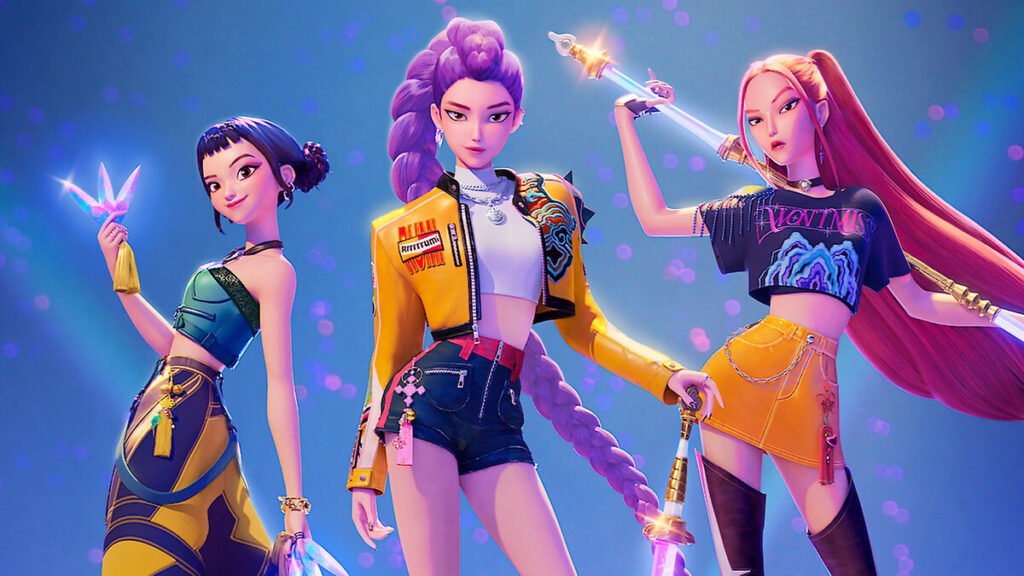
The cultural influence of KPop Demon Hunters theaters discussions is closely tied to the film’s soundtrack success. Music plays a central role in KPop Demon Hunters, and its songs quickly gained popularity across streaming platforms, fan edits, and social media trends.
The blending of K-pop aesthetics with animated storytelling helped the film appeal to both global K-pop audiences and animation fans. This crossover appeal significantly increased demand for theatrical screenings, as audiences wanted to experience the music with cinema-level sound systems and visual immersion.
Beyond entertainment, the film contributed to ongoing conversations about how animation can be used to represent music-driven storytelling. Its success demonstrated that animated musicals can achieve mainstream cultural relevance when paired with strong fandom engagement and digital distribution.
Future of KPop Demon Hunters Theatrical Screenings
The future of KPop Demon Hunters theaters remains open-ended but promising. While the film does not currently have a permanent theatrical schedule, its popularity makes it a strong candidate for future special screenings, anniversary events, or promotional re-releases.
For KPop Demon Hunters, continued fan engagement suggests that demand for cinema experiences will not fade quickly. Streaming success often leads to periodic theatrical revivals, especially for films with strong musical identities and active fan communities.
Additionally, as franchises expand, studios often revisit earlier installments through limited cinema events to build anticipation for sequels or spin-offs. This pattern makes it likely that future theatrical opportunities may still emerge, even if they remain event-based rather than permanent.
Conclusion
The ongoing interest in KPop Demon Hunters theaters reflects how modern audiences experience entertainment across both streaming and cinema platforms. Although KPop Demon Hunters was not released as a traditional theatrical film, its limited screenings and sing-along events proved that audience demand for shared viewing experiences remains strong.
Ultimately, the film’s journey from streaming premiere to selective theater events highlights a new era of hybrid entertainment distribution. While regular showtimes may not exist, the possibility of future screenings continues to keep fans engaged, ensuring that the conversation around KPop Demon Hunters in theaters remains active and evolving.
