

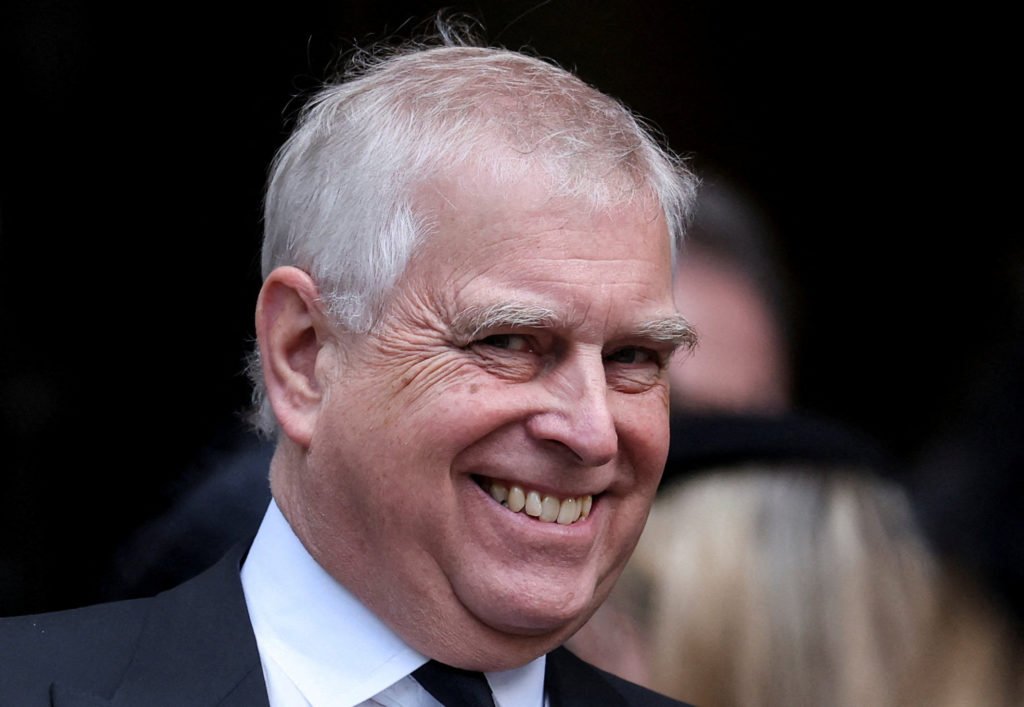
The phrase “Prince Andrew photo” has become one of the most searched and debated image-related queries tied to modern royal history. It does not refer to a single casual portrait but to a set of controversial images that became globally significant due to their connection with allegations surrounding Jeffrey Epstein, Ghislaine Maxwell, and Virginia Giuffre. Over time, these photographs shifted from ordinary snapshots into powerful symbols used in legal discussions, media investigations, and public debates about accountability and privilege.
At the center of attention is the widely circulated 2001 photograph showing Prince Andrew with his arm around Virginia Giuffre while Ghislaine Maxwell stands nearby. This image has been examined repeatedly in courts, documentaries, and journalistic investigations.prince andrew photo Its simplicity is what makes it so striking; it looks like a normal social moment, yet it has been tied to one of the most high-profile scandals involving a member of the British royal family.
Understanding the “Prince Andrew photo” requires more than just identifying the image. It involves exploring its origin, the people connected to it, how it was interpreted, and why it continues to shape public perception years after it first appeared.
The Origin of the 2001 Photograph and Its Context
The most discussed “Prince Andrew photo” was reportedly taken in 2001 at the London residence of Ghislaine Maxwell. In the image, Prince Andrew appears casually posing with Virginia Giuffre, who was a teenager at the time, and Maxwell is visible in the background. The setting appears informal, almost domestic, which is part of why the image has remained so powerful in public discussion.
At the time the photo was taken, Andrew Mountbatten-Windsor, formerly known as Prince Andrew, Duke of York, was already a senior royal figure known for his past military service and trade envoy roles. Jeffrey Epstein was a wealthy financier with connections to influential figures around the world. Ghislaine Maxwell, later convicted for her role in Epstein’s trafficking network, was part of Epstein’s inner social circle.
The photograph itself did not initially attract global attention when it was taken. It only became widely known years later when it was published in media reports linked to investigations into Epstein’s activities. Its emergence transformed it from a private social snapshot into a key piece of visual evidence in a much larger and deeply controversial story.
Virginia Giuffre’s Allegations and the Photo’s Importance
The significance of the Prince Andrew photo is largely shaped by the allegations made by Virginia Giuffre. She has stated that she was trafficked by Jeffrey Epstein and forced into encounters with influential individuals, including Prince Andrew, when she was 17 years old. These allegations placed the photograph at the center of legal and public scrutiny.
Giuffre has consistently identified the image as evidence supporting her account of events. The photograph is often cited in discussions about her claims because it visually confirms that she and Andrew were in the same social setting. While the image alone does not prove any wrongdoing, it became an important reference point in legal arguments and media analysis.
Prince Andrew has denied all allegations and stated that he has no recollection of meeting Giuffre or the circumstances surrounding the photograph. This contradiction between testimony and imagery is one of the key reasons the photo remains so heavily debated.
Prince Andrew’s Public Statements and Ongoing Denials
Prince Andrew’s response to the photograph has been consistent in one key respect: he has denied any wrongdoing and questioned aspects of the narrative surrounding the image. He has stated that he does not remember the photograph being taken and has suggested uncertainty about its circumstances.
In a widely publicized BBC interview in 2019, Andrew addressed his association with Epstein and attempted to explain his past contact with him. However, the interview became controversial and was widely criticized for its tone and content. Rather than resolving questions about the photograph, it intensified public interest and scrutiny.
Following the interview and ongoing legal pressure, Andrew stepped back from royal duties. Later, he settled a civil case with Virginia Giuffre without admitting liability. Despite this settlement, the photograph continues to be referenced as a central element in discussions about the case and his public image.
The Role of Jeffrey Epstein and Ghislaine Maxwell in the Narrative
To fully understand the “Prince Andrew photo,” it is necessary to consider the roles of Jeffrey Epstein and Ghislaine Maxwell. Epstein was a financier who became the subject of global investigation due to accusations of sex trafficking and abuse involving underage girls. His social network included politicians, academics, and celebrities.
Jeffrey Epstein was later arrested and died in jail in 2019, a death officially ruled as suicide but widely debated in public discourse. His associate, Ghislaine Maxwell, was later convicted for her role in facilitating and participating in trafficking-related crimes and sentenced to prison.
The photograph gains additional complexity because it places Prince Andrew in proximity to both Epstein and Maxwell’s social environment. This association, regardless of legal conclusions, is one of the reasons the image continues to attract attention in media and public discussions.
Media Coverage and the Global Amplification of the Image
The “Prince Andrew photo” became globally recognized largely due to investigative journalism and international media coverage. Once the image entered public reporting, it was repeatedly shared, analyzed, and discussed across newspapers, television programs, and digital platforms.
Media outlets framed the photograph not as an isolated image but as part of a broader investigation into Epstein’s network. This framing significantly increased its importance, turning it into a symbol of alleged connections between powerful individuals and criminal activity. Over time, the image became one of the most referenced visuals in coverage of the Epstein case.
The digital age further amplified its reach. Social media platforms allowed the photograph to circulate widely, often accompanied by commentary, speculation, and reinterpretation. This constant redistribution ensured that the image remained relevant long after its initial publication.
Claims, Disputes, and Questions About Authenticity
One of the recurring debates surrounding the Prince Andrew photo involves its authenticity. Some supporters of Andrew have questioned whether the image accurately represents the situation it claims to depict, while others argue that it is a genuine photograph with no credible evidence of manipulation.
Experts in photo analysis have generally noted that the image appears consistent with a physical print photograph rather than a digitally altered file. The fact that it emerged as a printed copy adds weight to arguments supporting its authenticity, since traditional photo manipulation would have required different techniques at the time it was created.
Despite this, public debate has persisted, fueled by differing interpretations and the emotional weight attached to the image. In high-profile cases like this, photographs often become more than visual evidence—they become contested symbols shaped by narrative, belief, and legal interpretation.
Legal Context and Its Role in Civil Proceedings
The photograph has played a supporting role in civil legal proceedings connected to Virginia Giuffre’s claims. While it is not direct proof of any criminal act, it has been used to establish association, presence, and credibility of certain narratives presented in court filings.
In legal contexts, such images are often evaluated alongside testimony, documents, and other forms of evidence. The Prince Andrew photo contributed to discussions about whether Andrew had social interactions with individuals connected to Epstein’s network. It helped situate timelines and reinforce the idea that contact occurred.
Ultimately, the civil case was settled without an admission of liability. However, the photograph remains part of the broader evidentiary landscape and continues to be referenced in legal commentary and public analysis.
Public Perception and the Impact on the Royal Family
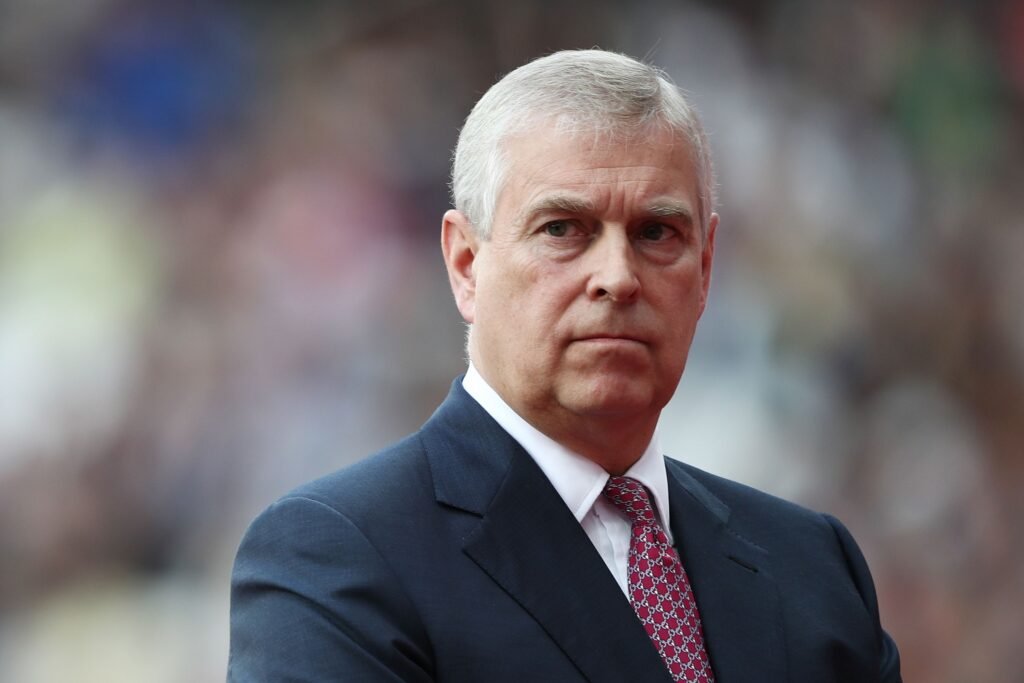
The impact of the Prince Andrew photo extends beyond legal discussions into public perception of the British royal family. It has contributed to reputational challenges and ongoing scrutiny of how the monarchy handles controversies involving senior members.
Prince Andrew, also known as Andrew Mountbatten-Windsor, stepped back from official royal duties following the escalation of the controversy. The image is often cited as a turning point in public trust and media portrayal of his role within the royal institution.
For the royal family, the photograph represents more than an isolated incident. It has become part of a broader conversation about accountability, public image, and the expectations placed on public figures. Its continued circulation ensures that the issue remains part of ongoing cultural and historical discussion.
Digital Legacy and Why the Photo Still Matters Today
Even years after its publication, the Prince Andrew photo continues to circulate online and attract public interest. It is frequently resurfaced during new developments related to Epstein investigations or royal family news. This ongoing visibility keeps the image relevant in modern digital culture.
The photo’s endurance is also tied to how digital media operates. Once an image becomes widely shared and embedded in public discourse, it rarely disappears completely. Instead, it becomes part of a permanent archive of internet-era controversy, continuously reinterpreted by new audiences.
In this sense, the photograph is no longer just a piece of evidence or journalism. It has become a lasting symbol of a larger story involving power, accountability, and global media attention.
Conclusion: The Lasting Significance of the Prince Andrew Photo
The “Prince Andrew photo” remains one of the most analyzed and controversial images connected to modern royal history. Its importance does not come from visual complexity but from the layers of meaning attached to it through allegations, legal proceedings, and media interpretation. It stands at the intersection of personal reputation, public accountability, and global investigative journalism.
While debates continue about context, interpretation, and responsibility, the photograph itself remains unchanged. What has changed is the world’s understanding of it. Over time, it has evolved from a simple social image into a powerful cultural reference point that continues to shape discussions about influence, justice, and institutional trust.
Its legacy demonstrates how a single photograph can extend far beyond its original moment, becoming part of a larger historical narrative that continues to be examined and debated years later.
