

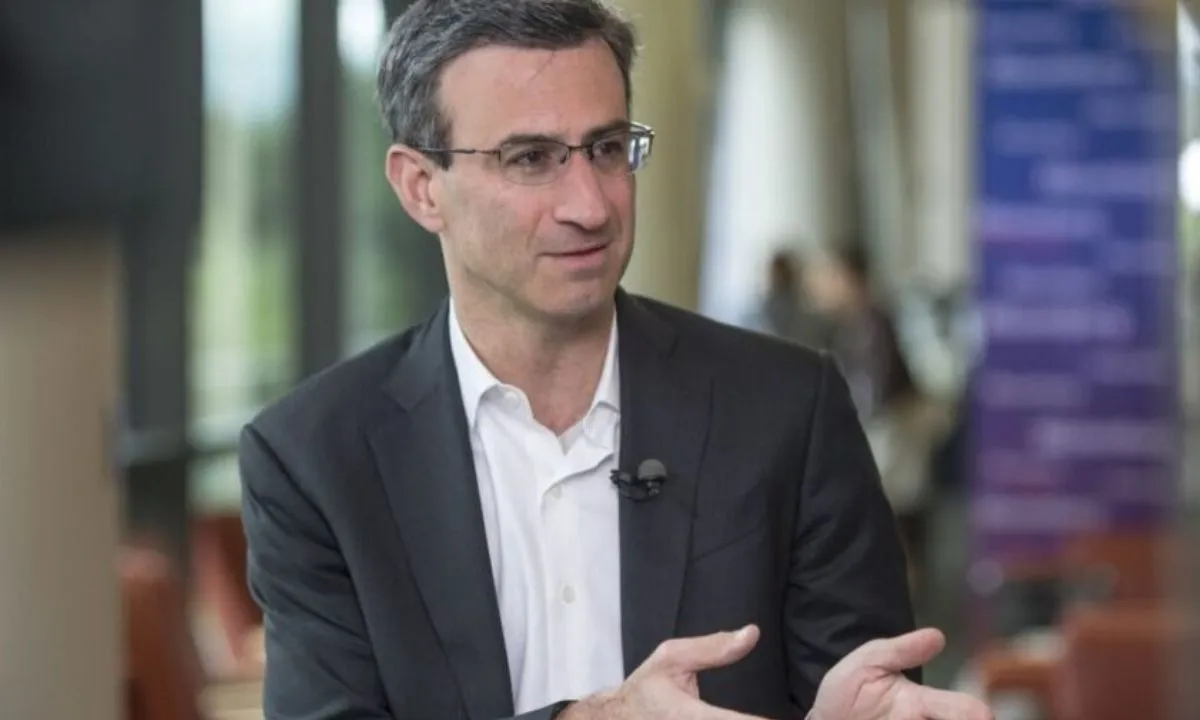
The phrase “Peter Orszag wig” has become an increasingly searched topic online, despite having little connection to Peter Orszag’s professional accomplishments. As one of the most prominent economists and financial executives in the United States, Orszag has spent decades shaping discussions around fiscal policy, government budgeting, healthcare economics, and financial markets. Yet, like many public figures who spend years in the spotlight, attention has occasionally shifted from his work to aspects of his personal appearance, particularly his hair.
Searches related to Peter Orszag’s hair, hairline, baldness, and possible wig usage have grown as internet users speculate about how his appearance has changed over time.peter orszag wig The rise of social media, meme culture, and online commentary has transformed what might once have been a passing observation into a recurring topic of discussion. While the rumor has generated curiosity, it is important to separate speculation from verifiable facts and understand why the conversation continues to attract attention.
This article explores the origins of the Peter Orszag wig rumor, the available evidence, his public image, the psychology behind appearance-based speculation, and the broader cultural forces that keep such discussions alive.peter orszag wig By examining the topic carefully and objectively, readers can gain a clearer understanding of both the man behind the headlines and the internet phenomenon surrounding his hair.
Who Is Peter Orszag?
Before discussing the wig speculation, it is important to understand who Peter Orszag is and why he attracts public attention in the first place.peter orszag wig Peter Orszag is an American economist who has held several influential positions in government and finance. Over the course of his career, he has become widely recognized for his expertise in economic policy, healthcare reform, federal budgeting, and fiscal analysis.
Orszag first gained national prominence through his work in public policy. He served as Director of the Congressional Budget Office, a position that placed him at the center of major debates about federal spending, taxation, and long-term budget projections.peter orszag wig His analytical approach and ability to explain complex economic issues helped establish him as one of the most respected policy experts in Washington.
His profile increased even further when he became Director of the Office of Management and Budget during the Obama administration. In that role, he helped oversee federal budget planning during a period marked by economic recovery efforts following the global financial crisis.peter orszag wig His work frequently placed him in front of television cameras, journalists, policymakers, and the general public.
After leaving government service, Orszag transitioned into the private sector, where he continued building his reputation as a leading economic thinker.peter orszag wig His senior roles in investment banking and financial advisory services further increased his visibility, making him a familiar face in business media and financial discussions around the world.
How the Peter Orszag Wig Rumor Began
The Peter Orszag wig rumor does not appear to originate from any official report, interview, or verified source. Instead, it seems to have emerged gradually through online discussions and social media observations. As Orszag continued appearing regularly in television interviews, conference presentations, and public events, some viewers began commenting on his hairstyle and hairline.
In many cases, rumors about public figures start with simple observations. A person may notice that someone appears to have a thick head of hair at a certain age or that their hairstyle remains relatively consistent over many years.peter orszag wig These observations can quickly evolve into speculation, especially in an online environment where comments are shared, reposted, and amplified.
The internet has a tendency to transform minor curiosities into larger conversations. Once a few people began asking whether Orszag wore a wig, others joined the discussion.peter orszag wig Search engine suggestions, social media algorithms, and online forums helped spread the topic further. Eventually, curiosity itself became a driving force behind the growing search volume.
Unlike rumors supported by insider accounts, leaked information, or public admissions, the Peter Orszag wig discussion developed largely through repetition.peter orszag wig The absence of evidence did little to slow interest because internet culture often values intrigue and humor as much as factual confirmation.
The Evidence Behind the Wig Claims
When evaluating any rumor, the most important question is whether credible evidence exists to support it. In the case of Peter Orszag, there is currently no verified evidence that he wears a wig, toupee, hair system, or other artificial hairpiece.
No reputable news organization has published a report confirming such claims. No biography, public statement, interview, or professional profile has ever indicated that Orszag wears a wig. Likewise, no photographs or videos have surfaced that provide conclusive proof of artificial hair use.
Many online discussions rely primarily on visual observations. Commentators sometimes point to the density of his hair, the shape of his hairline, or the consistency of his appearance as reasons for suspicion. However, visual observations alone are not reliable evidence. Hair texture, styling methods, lighting conditions, camera angles, and image quality can all influence how a person’s hair appears in photographs and videos.
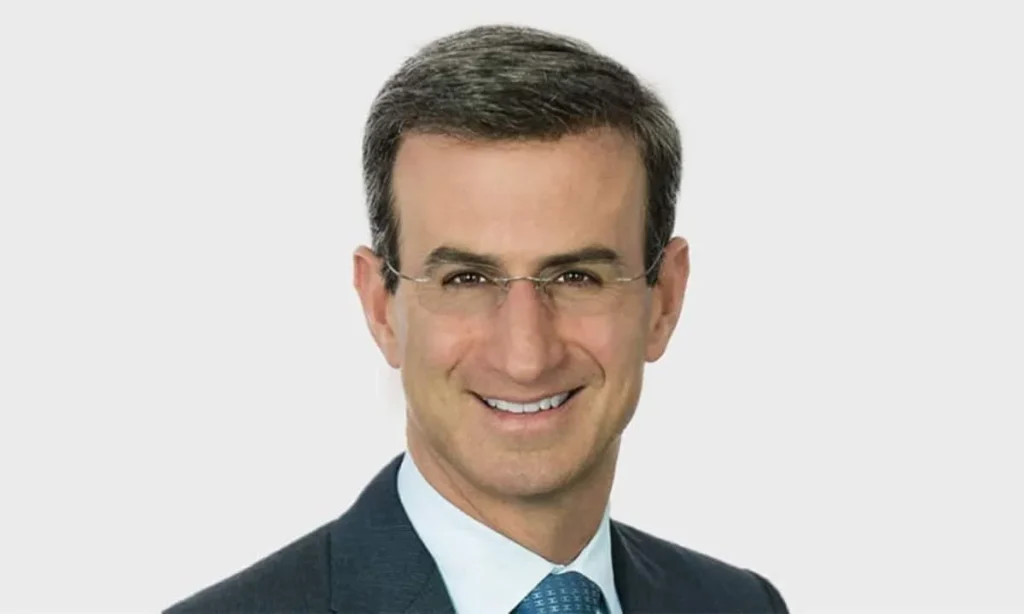
When examining public images of Orszag over multiple decades, many observers note gradual changes that appear consistent with natural aging rather than dramatic cosmetic alteration. Hairline evolution, thinning patterns, and changes in hair density generally appear to follow a gradual progression rather than sudden transformations that might suggest the use of a wig.
As a result, the available evidence strongly suggests that the rumor remains unsubstantiated speculation rather than an established fact.
Why People Focus on the Hair of Public Figures
The fascination with Peter Orszag’s hair reflects a broader tendency in modern society. Public figures often face intense scrutiny regarding their appearance, sometimes receiving as much attention for how they look as for what they do.
Hair occupies a unique place in public perception because it is closely associated with youthfulness, vitality, confidence, and personal identity. Changes in hair can be highly visible, making them easy subjects for public discussion. As people age, hair often becomes a natural focal point for observers interested in physical transformation.
For individuals who appear frequently on television, visual consistency becomes particularly noticeable. Audiences who see a public figure repeatedly over many years may become sensitive to even minor changes in appearance. This familiarity can lead viewers to form opinions and theories about grooming habits, cosmetic procedures, and personal care routines.
The attention given to Orszag’s hair is therefore not unusual. Similar discussions have surrounded politicians, journalists, actors, athletes, and business executives for decades. The difference today is that social media allows these conversations to spread faster and reach larger audiences than ever before.
Peter Orszag’s Public Image and Professional Appearance
Throughout his career, Peter Orszag has maintained a polished and professional image. Whether speaking before Congress, participating in television interviews, attending economic conferences, or leading corporate discussions, he has consistently presented himself in a manner that reflects professionalism and credibility.
Public image matters significantly for individuals working in economics, finance, and government. Leadership roles often require projecting confidence, competence, and stability. Appearance becomes one element of a broader professional brand that includes communication style, expertise, and public conduct.
Orszag’s carefully maintained appearance likely contributes to the attention his hair receives. Individuals who consistently appear well-groomed often attract speculation regarding how they maintain that appearance over long periods. This is particularly true when the individual reaches middle age and beyond, a period when visible hair changes become more common among men.
However, maintaining a professional appearance does not provide evidence of cosmetic enhancement. Many professionals invest time in grooming, hairstyling, and personal presentation simply because their careers place them in highly visible public positions.
The continued discussion about Orszag’s hair therefore says as much about public expectations as it does about Orszag himself. People naturally notice and discuss features that stand out, particularly when those features belong to someone frequently seen in the media.
Natural Hair Aging and Hairline Changes
One reason the Peter Orszag wig discussion continues is that many people compare photographs from different periods of his career. These comparisons often focus on his hairline, hair density, and overall hairstyle.
Hair changes naturally with age. Male pattern baldness affects a large percentage of men worldwide and typically progresses gradually over many years. Hairlines often recede, density may decrease, and overall texture can change as individuals grow older.
When reviewing publicly available photographs of Orszag from different decades, many observers note evidence of gradual aging rather than abrupt transformation. His hairline appears to have evolved naturally, showing subtle changes consistent with the aging process.
This gradual progression is significant because wigs and hair systems often create more dramatic visual differences. While modern hair replacement technologies can be highly sophisticated, sudden changes in density, color, or hairline position are frequently among the indicators people look for when evaluating whether a hairpiece may be involved.
In Orszag’s case, publicly visible changes appear largely consistent with what many men experience naturally as they age. This observation contributes to the conclusion that speculation about a wig remains unsupported by meaningful evidence.
The Impact of Social Media on the Rumor
Social media has fundamentally changed the way rumors spread and evolve. Platforms that encourage rapid sharing, commentary, and engagement often transform minor observations into widely discussed topics.
The Peter Orszag wig rumor illustrates this phenomenon clearly. A handful of comments questioning his hair may have initially attracted only limited attention. However, once those comments were shared, repeated, and discussed across multiple platforms, the conversation expanded significantly.
Algorithms often reward engagement regardless of whether information is accurate. Posts that generate reactions, laughter, or debate are more likely to be promoted to larger audiences. As a result, rumors can gain visibility even when they lack factual support.
Search engine behavior further amplifies this effect. When large numbers of users search for terms such as “Peter Orszag wig,” “Peter Orszag hair,” or “Peter Orszag bald,” search systems begin recognizing those phrases as popular topics. Suggested searches then expose the topic to additional users, creating a self-reinforcing cycle.
This cycle helps explain why interest can persist even in the absence of new evidence. The topic remains visible because people continue searching for it, and people continue searching for it because it remains visible.
Why Wig Rumors Are Common Among Public Figures
Peter Orszag is far from the only public figure to face speculation about his hair. Wig rumors have followed politicians, entertainers, television personalities, athletes, and business leaders for generations.
Several factors contribute to this recurring pattern. First, hair is highly visible and relatively easy to analyze from photographs and video footage. Second, hair loss is a common concern, making it a subject that many people find personally relatable. Third, changes in appearance often trigger curiosity because they invite speculation about aging, health, and personal grooming choices.
The entertainment value of such rumors also plays a role. Online communities often treat appearance-related discussions as lighthearted topics rather than serious investigations. The humor associated with these conversations can encourage participation even among individuals who have little interest in whether the claims are actually true.
At the same time, the prevalence of modern hair restoration techniques contributes to public curiosity. Hair transplants, hair systems, scalp treatments, and other cosmetic solutions have become increasingly common and sophisticated. Because these options exist, people sometimes assume that any individual with a full head of hair at an older age must be using some form of enhancement.
However, assumptions are not evidence. Every individual ages differently, and natural variation in hair retention remains substantial.
Separating Internet Speculation from Verified Facts
One of the most important lessons from the Peter Orszag wig discussion is the importance of distinguishing between speculation and documented reality. The internet provides extraordinary access to information, but it also allows rumors to spread quickly and persist long after their origins have been forgotten.
Fact-based analysis requires credible sources, verifiable evidence, and careful evaluation of claims. In the case of Peter Orszag, none of the key elements necessary to confirm the wig rumor currently exist. No firsthand testimony, official statement, or reliable investigation has supported the claim.
This does not necessarily mean that public curiosity will disappear. People are naturally interested in the personal lives and appearances of prominent individuals. However, responsible discussion requires acknowledging the difference between curiosity and proof.
The widespread attention given to the topic demonstrates how easily public interest can become disconnected from factual evidence. Repetition may increase visibility, but it does not increase accuracy. Understanding this distinction is essential for evaluating any viral rumor.
Conclusion
The keyword “Peter Orszag wig” continues to attract significant online attention, driven by curiosity, social media discussions, and the public’s fascination with the appearance of well-known figures. Despite the popularity of the topic, there is currently no verified evidence that Peter Orszag wears a wig, toupee, or hairpiece. The rumor appears to have originated through online speculation rather than documented fact.
Peter Orszag’s long career in economics, government service, and finance has made him a recognizable public figure. As often happens with highly visible individuals, aspects of his appearance have become subjects of discussion alongside his professional achievements. His hairstyle, hairline, and overall grooming have attracted attention, but available evidence suggests that observed changes are consistent with normal aging rather than confirmed cosmetic enhancement.
The continuing interest in the topic reflects broader trends in internet culture, where rumors, memes, and search behavior can transform minor observations into major discussion points. Social media platforms, search engine algorithms, and public curiosity all contribute to the ongoing visibility of appearance-related speculation.
Ultimately, the Peter Orszag wig debate serves as a reminder that popularity and truth are not the same thing. While the rumor may continue to circulate online, factual examination points to a simple conclusion: the claims remain unproven, and the discussion is driven far more by curiosity and internet culture than by credible evidence.
