

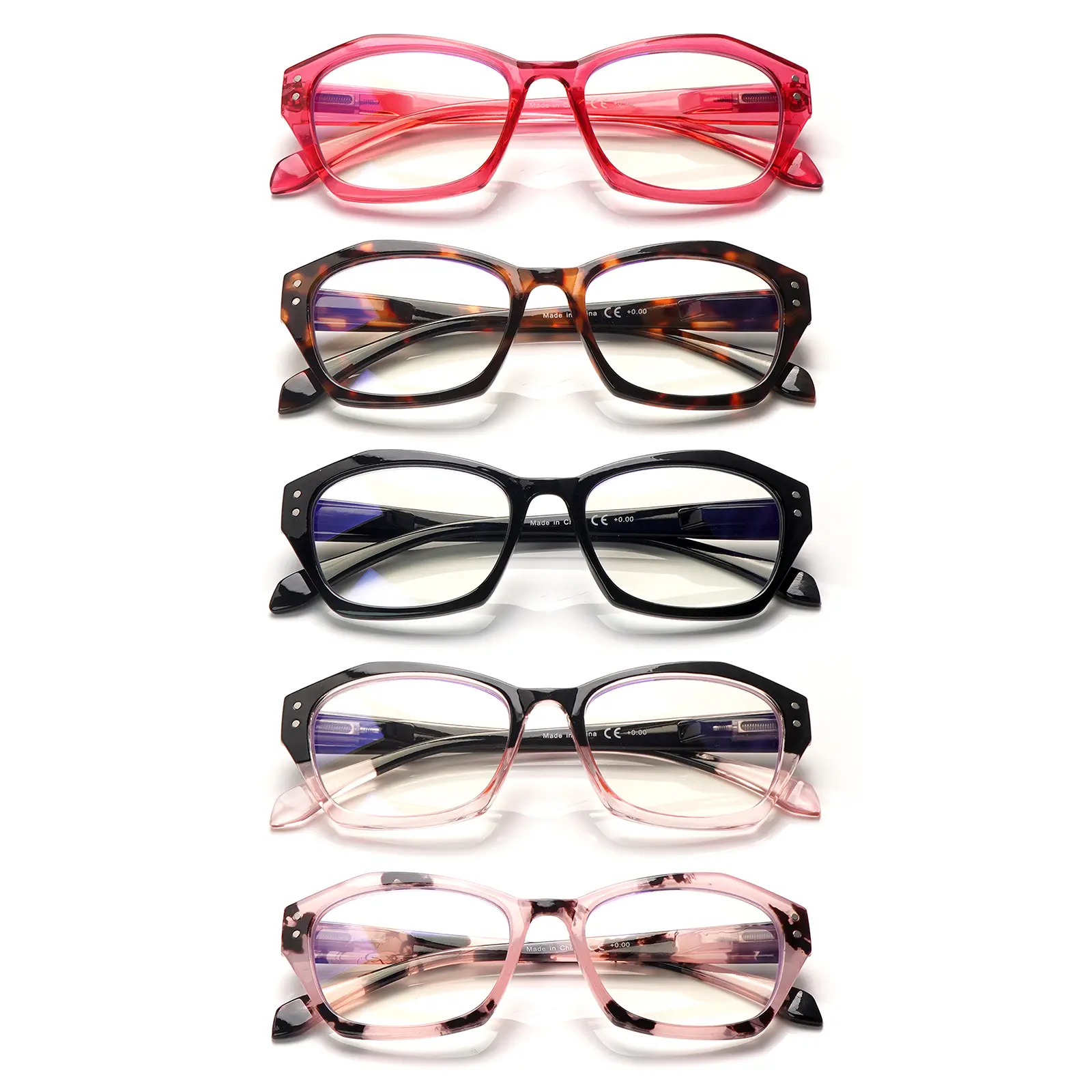
Digital screens have become an unavoidable part of modern life. People now spend hours every day using smartphones, laptops, tablets, televisions, and gaming devices for work, study, communication, and entertainment. As screen time increases, many users experience symptoms such as eye fatigue, headaches, dry eyes, blurry vision, and difficulty sleeping. Because of these concerns, blue light blocking glasses have become extremely popular in recent years. Among the many brands advertised online, NoBlu glasses have gained major attention through social media promotions and aggressive marketing campaigns promising better eye comfort and improved sleep quality.
NoBlu glasses are promoted as advanced blue light filtering eyewear designed to reduce digital eye strain while offering stylish and affordable protection for daily screen users. Advertisements often claim the glasses can block harmful blue light, reduce glare, improve focus, and even support healthier sleep patterns. Some marketing videos also suggest that the lenses can automatically adjust to different viewing distances, making them appear more advanced than ordinary reading glasses or standard blue light lenses. These bold claims have led thousands of consumers to search for honest reviews and reliable information about whether NoBlu glasses are actually effective or simply another heavily marketed online product.
The growing popularity of blue light eyewear is connected to increasing awareness of digital eye strain. Eye specialists commonly describe digital eye strain as discomfort caused by prolonged use of screens without enough breaks or proper eye care habits. Modern devices emit blue light wavelengths that may contribute to sleep disruption during nighttime use, although researchers continue debating the overall impact of blue light exposure on eye health. Many consumers therefore turn to products like NoBlu glasses in hopes of reducing discomfort and protecting their eyes during long periods of screen exposure.
At the same time, online discussions about NoBlu glasses remain highly mixed. Some customers report feeling more comfortable while wearing them during computer work, while many others question the quality of the product and the accuracy of its advertising claims. Independent reviewers have also raised concerns about exaggerated promises, unclear scientific evidence, and customer service complaints. Understanding how blue light glasses actually work, what NoBlu glasses claim to offer, and what research says about screen-related eye fatigue can help buyers make more informed decisions before purchasing.
What Are NoBlu Glasses?
NoBlu glasses are blue light blocking glasses sold mainly through online stores and social media advertisements. The product is designed for people who spend long hours looking at digital screens and want to reduce discomfort associated with prolonged screen exposure. The glasses are marketed as lightweight, fashionable, and suitable for everyday use by office workers, students, gamers, remote employees, and anyone regularly using digital devices. The brand often presents its product as a simple solution for modern screen-related eye problems.
Most NoBlu glasses feature clear or lightly tinted lenses with a blue light filtering coating intended to reduce the amount of blue wavelength light entering the eyes. According to promotional materials, this filtering technology may help reduce eye fatigue, glare, and headaches while supporting better sleep quality at night. The company’s marketing also suggests the glasses can improve focus and visual clarity during computer use, making them attractive to people who spend entire workdays in front of monitors.
One of the most controversial aspects of NoBlu marketing is the suggestion that the glasses use “adaptive” or “auto-adjusting” lens technology. Some advertisements imply the lenses can automatically help users see clearly at multiple distances without prescription correction. This claim has drawn criticism from eye care professionals and independent reviewers because there is little evidence supporting such advanced optical functionality in inexpensive non-prescription eyewear. Many consumers expected sophisticated corrective lenses but instead received standard plastic blue light glasses.
The popularity of NoBlu glasses grew largely because of viral online advertising campaigns. Social media videos often show users removing their glasses and struggling with eye discomfort before instantly feeling relief after putting them on. These emotionally driven advertisements helped the product gain widespread visibility, especially among people already worried about screen time and digital eye strain. However, growing skepticism about online health-related products has encouraged many buyers to search for independent reviews before making a purchase.
Why Blue Light Became a Major Health Concern
Blue light is part of the visible light spectrum and is naturally produced by the sun. However, digital devices such as smartphones, tablets, LED lighting, and computer screens also emit blue light. Researchers have studied blue light exposure for years because certain wavelengths can influence circadian rhythms and sleep cycles. Exposure to bright blue light at night may interfere with melatonin production, making it harder for some people to fall asleep after extended evening screen use.
As digital technology became more integrated into everyday life, awareness of screen-related discomfort also increased. Many individuals noticed symptoms such as tired eyes, dry eyes, headaches, and blurred vision after prolonged screen use. These symptoms eventually became known as digital eye strain or computer vision syndrome. Since blue light was frequently mentioned in discussions about screen exposure, blue light blocking glasses quickly emerged as a popular consumer solution.
The marketing industry played a major role in expanding concern about blue light. Many eyewear companies promoted their products as essential protection against harmful digital exposure, sometimes suggesting that blue light could seriously damage vision. While some scientific evidence supports the idea that nighttime blue light exposure can affect sleep quality, most experts agree that ordinary screen use is unlikely to cause permanent eye damage in healthy individuals. Instead, eye strain is more commonly linked to reduced blinking, poor posture, prolonged focus, and excessive screen time without breaks.
The rise of remote work, online learning, and gaming culture further increased interest in blue light glasses. Millions of people suddenly began spending eight to twelve hours per day in front of screens, especially after the global shift toward digital communication and home-based work environments. This created a huge market for products promising eye comfort and screen protection. Brands like NoBlu entered this rapidly growing industry by targeting users looking for convenient and affordable ways to manage screen fatigue.
The Science Behind Blue Light Blocking Glasses
Blue light blocking glasses are designed with special lens coatings that filter or absorb a portion of blue wavelength light emitted by screens and LED lighting. Some lenses have a slight yellow tint, while others appear almost completely clear. Manufacturers claim these coatings reduce glare, improve visual comfort, and support better sleep by limiting nighttime blue light exposure. However, the scientific evidence regarding their effectiveness remains mixed.
Several studies suggest that reducing blue light exposure in the evening may help improve sleep quality for certain individuals, particularly those who use devices late at night. Because blue light can affect melatonin production, some users report falling asleep more easily after using blue light filtering glasses during nighttime screen sessions. This is one reason why many consumers continue purchasing blue light eyewear despite ongoing scientific debate.
When it comes to reducing digital eye strain, the evidence becomes less clear. Eye specialists often explain that eye strain is usually caused by prolonged focus and reduced blinking rather than blue light itself. People staring at screens tend to blink less frequently, leading to dry eyes and discomfort. In addition, poor lighting, incorrect screen brightness, and uncorrected vision problems can contribute significantly to screen fatigue. Blue light glasses may provide mild comfort improvements for some users, but they are not considered a guaranteed solution for digital eye strain.
Independent optical testing has shown that many inexpensive blue light glasses only block a modest percentage of blue wavelengths. Clear-lens products often filter relatively small amounts compared to heavily tinted lenses. In the case of NoBlu glasses, reviewers have questioned whether the filtering technology differs meaningfully from cheaper generic products widely available online. Without transparent laboratory certification or detailed technical specifications, it can be difficult for consumers to verify how much blue light the glasses actually block.
Claims Made by NoBlu Glasses
NoBlu glasses advertisements focus heavily on comfort, protection, and convenience. One of the primary claims is that the glasses reduce digital eye strain caused by prolonged screen exposure. Marketing videos often portray users feeling immediate relief from headaches, tired eyes, and blurry vision after wearing the glasses. These claims appeal strongly to office workers, students, gamers, and remote employees who spend long hours on computers each day.
Another major selling point is blue light filtering technology. The company suggests that its lenses block harmful blue light from phones, laptops, and televisions while reducing glare and improving visual clarity. Some advertisements imply that this protection helps users sleep better at night by reducing nighttime blue light exposure. Sleep-related claims are common in the blue light eyewear industry because of research connecting blue light with melatonin suppression.
One of the most controversial marketing statements involves “auto-focus” or “adaptive zoom” technology. Certain NoBlu advertisements suggest the lenses automatically adjust for reading, computer work, and distance viewing without requiring prescription correction. Eye care experts have strongly criticized these claims because no evidence supports the existence of inexpensive universal lenses capable of performing true automatic optical adjustments. Many customers expected advanced corrective technology but instead received ordinary magnification-style lenses or non-prescription blue light glasses.
The company’s advertising strategy also relies heavily on urgency and emotional persuasion. Promotions frequently mention limited-time discounts, dramatic before-and-after experiences, and glowing customer testimonials. While this style of marketing is common in online retail, critics argue that the product’s presentation creates unrealistic expectations about what the glasses can actually achieve. This gap between advertising and customer experience has become a central issue in discussions surrounding NoBlu glasses.
Customer Reviews and User Experiences
Online customer reviews for NoBlu glasses vary significantly, although negative experiences appear frequently across independent review platforms and consumer forums. Some users report that the glasses feel lightweight and comfortable for casual screen use. A few customers mention reduced glare and mild improvements in eye comfort while working on computers for long periods. These positive experiences are generally associated with basic blue light filtering rather than the more dramatic marketing claims.
However, many consumers express disappointment after receiving the product. Complaints commonly mention cheap plastic frames, weak hinges, scratched lenses, blurry vision, and poor overall durability. Several buyers state that the glasses looked far less premium than expected based on the advertisements. Others reported discomfort or dizziness after wearing them, especially if the lenses contained slight magnification that was not clearly explained during purchase.
Customer service complaints are another recurring issue. Numerous reviewers claim they experienced difficulties obtaining refunds or contacting support representatives after receiving unsatisfactory products. Some buyers also describe confusing return policies and delayed responses from customer service teams. These experiences have contributed to growing skepticism about the brand’s reliability and business practices.
Online discussion forums and social media platforms contain many warnings from consumers advising others to research carefully before buying. Several users describe the glasses as ordinary low-cost blue light eyewear sold at inflated prices through aggressive advertising campaigns. While not every customer reports a completely negative experience, the overall online reputation of NoBlu glasses remains highly controversial due to repeated concerns about quality and misleading marketing.
Build Quality and Lens Performance
The visual design of NoBlu glasses is often considered appealing. The frames are lightweight, modern, and designed to resemble fashionable everyday eyewear rather than medical-looking glasses. This stylish appearance helps attract consumers who want discreet blue light protection while maintaining a casual or professional look. The lightweight construction may also feel comfortable during short-term wear for many users.
Despite the attractive appearance, durability concerns are extremely common in customer feedback. Reviewers frequently describe the frames as fragile plastic prone to bending or breaking with regular use. Hinges are another commonly criticized area, with some users reporting loose or unstable frame arms after only limited wear. Lens scratching also appears to be a frequent problem, especially among buyers expecting premium-quality coatings.
Lens clarity remains another point of debate. Some users feel the lenses reduce glare and provide modest visual comfort during screen use, while others report distorted vision or blurry viewing experiences. Because blue light coatings can slightly alter visual perception, sensitive users may notice changes in color temperature or screen appearance. However, reviewers often state that NoBlu lenses do not perform significantly better than generic blue light glasses available at much lower prices.
The lack of detailed technical information about the lenses creates additional uncertainty. Reputable optical brands typically provide data regarding blue light filtration percentages, coating technology, and laboratory testing standards. In contrast, NoBlu marketing materials focus heavily on broad promises rather than transparent optical specifications. This makes it difficult for consumers to evaluate the actual performance and protective capabilities of the lenses before purchasing.
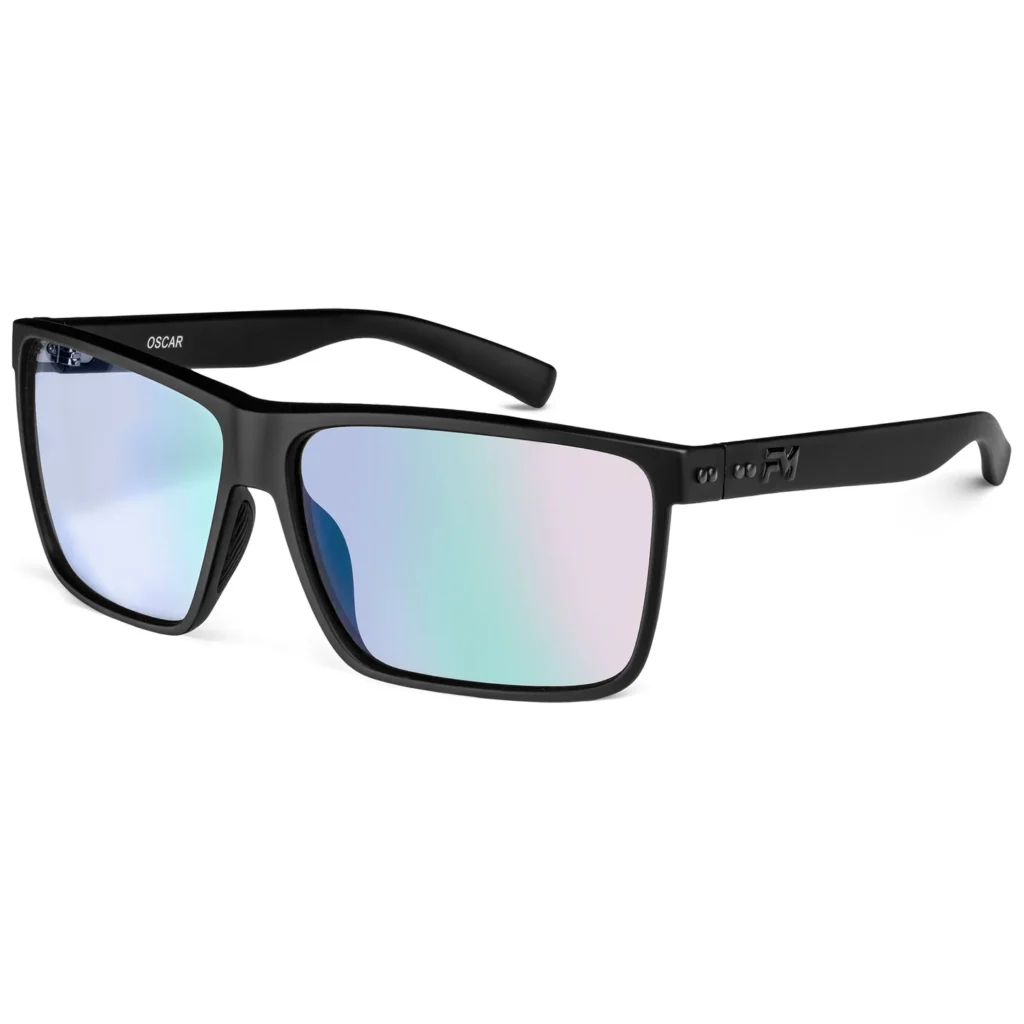
Can NoBlu Glasses Improve Sleep Quality?
One reason many consumers purchase blue light glasses is the belief that they can improve sleep quality. This idea is partly supported by research showing that blue light exposure late at night may interfere with melatonin production and circadian rhythms. Since smartphones, tablets, and laptops emit blue light, reducing exposure before bedtime may help some individuals fall asleep more easily.
NoBlu glasses advertisements frequently emphasize nighttime protection and better sleep. The company suggests that wearing the glasses during evening screen use can reduce the disruptive effects of digital blue light exposure. Some customers do report improved nighttime comfort and reduced difficulty falling asleep after limiting screen brightness or using blue light filtering products during late hours.
However, sleep improvement depends on many factors beyond blue light exposure alone. Stress, caffeine intake, inconsistent sleep schedules, and excessive screen stimulation can all affect sleep quality. Experts generally recommend reducing screen use before bedtime, dimming lights, and maintaining healthy sleep habits alongside any use of blue light glasses. Glasses alone are unlikely to solve chronic sleep problems without broader lifestyle adjustments.
It is also important to recognize that not all blue light glasses block the same amount of blue light. Heavily tinted amber lenses usually provide stronger filtering than clear-lens products. Because NoBlu glasses appear to use relatively light coatings, the actual amount of blue light reduction may be limited compared to specialized nighttime eyewear designed specifically for sleep support.
Alternatives to NoBlu Glasses
Consumers interested in reducing digital eye strain have many alternatives beyond heavily advertised online eyewear brands. Reputable optical companies offer professionally tested blue light lenses with transparent technical information and prescription compatibility. Purchasing from established eyewear brands or licensed optometrists often provides better quality control and customer support compared to unknown online retailers.
Modern digital devices also include built-in tools designed to reduce eye discomfort. Most smartphones, tablets, and computers now feature night mode or warm light settings that decrease blue light emission during evening hours. Lowering screen brightness, increasing text size, and improving room lighting can significantly improve comfort during extended device use without requiring special glasses.
Healthy screen habits remain one of the most effective ways to manage digital eye strain. Eye specialists frequently recommend the 20-20-20 rule, which involves looking away from the screen every twenty minutes and focusing on something twenty feet away for twenty seconds. This simple technique helps relax focusing muscles and reduce visual fatigue caused by continuous screen concentration.
Regular eye examinations are equally important. Many people experiencing headaches or blurry vision during computer use may actually have uncorrected prescription problems rather than blue light sensitivity. Consulting a qualified eye care professional can help identify underlying issues and provide personalized recommendations that are far more reliable than depending solely on online products with exaggerated marketing claims.
Final Thoughts on NoBlu Glasses
NoBlu glasses entered the market at a time when concern about digital eye strain and screen exposure was rapidly increasing worldwide. The product’s stylish appearance, affordable pricing, and strong advertising campaigns helped it attract attention from consumers searching for relief from headaches, tired eyes, and sleep disruption caused by excessive screen use. The idea of convenient blue light protection naturally appeals to millions of people who spend most of their day using computers and smartphones.
However, the reality behind the product appears far more complicated than the advertisements suggest. While some users may experience mild comfort benefits from reduced glare or filtered light, independent reviews consistently question the quality, durability, and scientific accuracy of many NoBlu marketing claims. In particular, claims involving adaptive or automatic vision correction have received strong criticism from reviewers and eye care professionals.
The broader discussion surrounding NoBlu glasses also reflects a larger issue within the online wellness and consumer electronics industry. Many heavily marketed products promise quick solutions to common modern problems without providing transparent evidence or realistic expectations. Blue light glasses may help some users feel more comfortable during screen use, especially at night, but they are not miracle products capable of replacing proper eye care, healthy screen habits, or professional medical advice.
For consumers considering NoBlu glasses, careful research and realistic expectations are essential. Understanding the science behind blue light, evaluating independent reviews, and focusing on proven eye care strategies can help buyers avoid disappointment and make informed decisions. Managing digital eye strain usually requires a combination of healthier screen habits, proper lighting, regular breaks, and professional vision care rather than relying entirely on aggressively advertised eyewear products.
